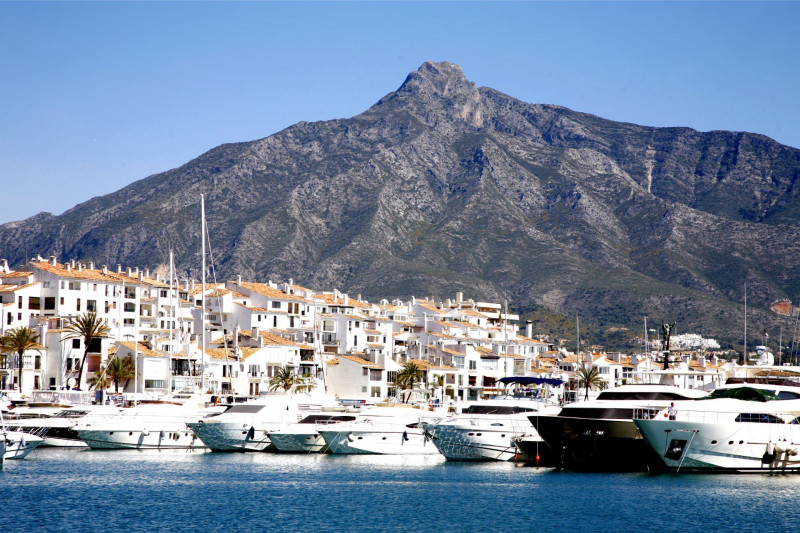
I've watched Marbella's expat community evolve over the years, and 2026 marks another strong chapter for those choosing to call this corner of the Costa del Sol home. Whether you're contemplating a permanent move, planning for semi-retirement, or simply weighing up your options, the practical realities of expat life here deserve honest exploration.
This isn't a glossy sales pitch. It's a realistic look at what settling in Marbella actually involves, the lifestyle you can expect, and how the right property partner makes the difference between a smooth transition and months of frustration.
Why Marbella Continues to Attract Expats in 2026
The fundamentals haven't changed. Over 300 days of sunshine annually, a stable political environment, excellent connectivity to the UK and northern Europe, and a well-established international community continue to draw people here. What has evolved is the infrastructure supporting that community.
Marbella and the wider Costa del Sol now offer a mature ecosystem for foreign residents. You'll find English-speaking professionals across every sector, from accountants and solicitors to healthcare providers and tradespeople. The learning curve is gentler than it was a decade ago, though it absolutely still exists.
The appeal crosses demographics. Young families value the international schools and outdoor lifestyle. Remote workers appreciate the reliable internet infrastructure and co-working spaces that have proliferated since the pandemic shift. Retirees benefit from accessible private healthcare and a lower cost of living than much of northern Europe, particularly when you factor in reduced heating costs and the ability to enjoy outdoor activities year-round.
The Expat Lifestyle: What Daily Life Really Looks Like
Let me be direct about what to expect. Your daily routine in Marbella will differ significantly from life in the UK, even if you settle in one of the more international areas like Nueva Andalucía or Elviria.
Shops close for siesta. Banking can take three times longer than you're used to. Bureaucracy requires patience and often physical presence rather than online efficiency. But you'll also discover a slower pace that many find liberating once the initial adjustment passes.
The social fabric blends Spanish tradition with international influences. You can absolutely live here speaking only English, particularly in the tourist corridors, but you'll miss considerable richness if you don't make at least a basic effort with Spanish. Even functional Spanish opens doors, both literally and figuratively.
Weather shapes daily life more than you might anticipate. July and August can be uncomfortably hot, driving many residents to the coast or mountains. Spring and autumn offer perfect conditions for hiking, golf, cycling and outdoor dining. Winters are mild but wetter than the tourist brochures suggest, though still vastly more pleasant than northern European alternatives.
Navigating the Property Market as a Foreign Buyer
This is where many expat journeys either gain momentum or stall entirely. The Marbella property market operates differently from the UK, with distinct legal frameworks, purchasing processes and potential pitfalls.
You'll need an NIE number before you can complete any property transaction. This tax identification number is essential for everything from opening a bank account to signing utility contracts. Obtaining one involves paperwork, appointments and waiting periods that can stretch weeks if not properly managed.
The purchase process itself typically takes two to three months from offer acceptance to completion, though this varies. Spanish property law offers strong buyer protections, but you need proper legal representation to navigate it. Using the seller's lawyer or skipping independent legal advice to save a few hundred euros is false economy that can cost you tens of thousands.
Mortgage availability for non-residents has tightened and loosened with economic cycles. At the time of writing, expect to provide substantial documentation, accept higher interest rates than Spanish residents, and put down deposits of 30-40% for non-resident mortgages.
This is precisely where working with an agency that genuinely understands the expat buyer's position becomes invaluable. Dolan Properties has built its reputation on guiding international clients through these exact processes. We don't just show you properties. We connect you with trusted English-speaking lawyers, help coordinate NIE applications, and explain the genuine costs and timelines involved.
Different areas of Marbella attract different expat profiles, and understanding these distinctions helps narrow your search:
Area | Average Property Price (2026) | Expat Density | School Proximity | Beach Access |
|---|---|---|---|---|
Puerto Banús | €650,000-€2,500,000 | Very High | 15-20 min to major schools | Immediate (marina-front) |
Nueva Andalucía | €400,000-€1,200,000 | Very High | 5-15 min (Aloha, Laude) | 5-10 min drive |
Elviria | €350,000-€800,000 | High | 10-20 min | Immediate (beach developments) |
San Pedro | €300,000-€700,000 | Medium-High | 5-10 min (several internationals) | 5-10 min walk/drive |
A client family from Manchester worked with us in early 2026 to purchase a four-bedroom villa in Nueva Andalucía for €785,000. From initial viewing to completion took exactly 16 weeks, including NIE processing and Golden Visa application. Their teenage children enrolled at Aloha College for September 2026, and they secured residency cards by July. The timeline was realistic precisely because they understood the steps involved from the outset and worked with professionals who coordinated the moving parts.
Understanding Residency, Visas and Legal Requirements
Post-Brexit, UK nationals face different rules than they did previously. You can spend up to 90 days in any 180-day period as a tourist, but establishing actual residency requires navigating one of several visa routes, each with distinct requirements:
Visa Type | Minimum Investment/Income | Timeline | Healthcare Entitlement | Work Rights |
|---|---|---|---|---|
Golden Visa | €500,000 property purchase | 2-4 months after purchase | Must arrange private or contribute to social security | Yes, full rights |
Non-Lucrative Visa | €28,800/year (individual), €7,200 per dependent | 3-6 months | Private insurance mandatory | No, cannot work in Spain |
Digital Nomad Visa | €2,160/month minimum, must work remotely for non-Spanish entity | 2-4 months | Private insurance initially, then social security access | Remote work only |
Many expats initially underestimate the importance of proper residency status. It affects everything from healthcare entitlement to tax obligations. Spain operates on a tax residency basis. If you spend more than 183 days per year in the country, you're generally considered tax resident and subject to Spanish taxation on worldwide income. That 183-day threshold catches people who thought they could maintain UK tax residency while spending most of the year in Marbella.
Tax residency brings obligations but also benefits. Spanish income tax rates are progressive, wealth taxes vary by region (Andalucía offers certain reductions), and double taxation treaties with the UK prevent paying twice on the same income. However, Spain taxes worldwide assets for residents, including overseas property and investments, which requires careful planning.
A retired couple from Surrey navigated the non-lucrative visa route in 2025. They demonstrated pension income of €42,000 annually, submitted UK bank statements, obtained private health insurance and proved they had no criminal record. The application took four months from submission to approval. They cannot work in Spain under this visa, but their UK pensions provide sufficient income for their lifestyle. The crucial point was understanding these limitations before committing to the move.
These are complex areas where professional advice isn't optional. The rules change, interpretation varies, and getting it wrong creates problems that are far more expensive to fix retroactively than to prevent initially.
Healthcare Access for Expats: Public vs Private Systems
Healthcare provision in Marbella splits between public and private systems, and understanding which you can access matters significantly to your budget and peace of mind.
UK state pensioners can access Spanish public healthcare through the S1 form, which the UK continues to provide post-Brexit under the Withdrawal Agreement. This covers comprehensive healthcare at no additional cost beyond your UK National Insurance contributions. Working-age residents who don't qualify for the S1 have two main routes: contributing to Spanish social security through employment or self-employment, or purchasing private health insurance.
Private health insurance in Spain costs substantially less than equivalent UK cover. A couple in their 50s can expect to pay €150-€250 per month for comprehensive private cover with companies like Sanitas, Asisa or Adeslas. Premiums rise with age, and pre-existing conditions may be excluded or attract higher rates, but the value compared to UK private healthcare is striking.
The hospital infrastructure has improved markedly. Private hospitals like Hospital Quirónsalud Marbella and HC Marbella International offer English-speaking staff, short waiting times and modern facilities. Public hospitals provide comprehensive care, though language can sometimes present challenges and waiting times for non-urgent procedures can be longer.
For those on non-lucrative visas, private insurance is mandatory for the initial visa and renewals. Digital nomad visa holders need private cover initially but can access social security healthcare after registering as self-employed. Golden Visa holders must arrange healthcare independently unless they work and contribute to social security.
A remote worker from Edinburgh secured a digital nomad visa in autumn 2025 and initially purchased private insurance at €95 per month for basic cover. After six months, he registered as self-employed (autónomo) to formalize his tax status, which gave him access to public healthcare in exchange for monthly social security contributions of around €320. The trade-off depends on your income, age and health needs, but having both options provides flexibility.
International Schooling: Options and Considerations
For families, education often drives location decisions within Marbella. The area hosts over a dozen international schools following British, American or International Baccalaureate curricula.
Aloha College in Nueva Andalucía follows the British curriculum from early years through A-levels and has operated since 1982. The English International College in Elviria offers British education with strong university placement results. Swans International School in Marbella town centre follows the British system with boarding facilities. The British College of Benalmádena (Laude San Pedro campus) serves families in San Pedro and western Marbella.
Fees for 2026 typically range from €6,000 to €14,000 per year depending on age and school, plus registration fees, uniforms, trips and extras. This represents a significant ongoing cost. A family with two children in primary and secondary education should budget €18,000-€25,000 annually for tuition alone.
School proximity influences property searches. Nueva Andalucía offers the shortest commutes to Aloha College, a major factor for families prioritizing that school. Elviria provides easy access to The English International College. San Pedro sits convenient to several options including Laude San Pedro.
Beyond academic considerations, international schools serve as social hubs. Parent networks, after-school activities and school events provide immediate community for newly arrived families. The transition is easier when children settle quickly, and schools with established expat intakes understand the adjustment process.
Building Your Social Circle and Community Integration
One concern I hear repeatedly from prospective expats is isolation. Marbella's established international community largely eliminates this risk if you make even modest effort.
Social clubs, sports groups, volunteer organizations and networking events cater to English-speakers and international residents. The Marbella International Film Festival, various charity initiatives, golf societies, hiking groups and cultural associations offer immediate entry points to community. Age Concern España provides support services and social activities for older residents. Toastmasters Marbella, business networking groups and the Marbella Family Fun Facebook community (over 15,000 members) all facilitate connections.
Language schools offer another integration route. Enforex Marbella, Linguaschools and numerous smaller academies provide Spanish courses at all levels. Learning Spanish isn't legally required for residency, but functional language skills dramatically improve daily life. Even A2 level Spanish helps with administrative tasks, healthcare appointments and social interaction beyond expat circles.
Co-working spaces like Workspace Coworking Marbella, COWORKING Banús and others provide professional environments for remote workers. These spaces double as networking venues where digital nomads and entrepreneurs build contacts and friendships.
The key is active participation. Waiting for community to come to you rarely succeeds anywhere, and Marbella is no exception. But the infrastructure exists and welcomes newcomers far more readily than in areas with smaller expat populations.
A freelance consultant from Birmingham moved to Marbella in January 2026 under the digital nomad visa. His initial concern was professional isolation after years in London's networking ecosystem. Within three months, he'd joined a co-working space in Puerto Banús, attended several business networking events and connected with other remote professionals. The internet infrastructure exceeded his requirements (100Mbps fibre is standard, 600Mbps widely available), and time zone alignment with UK clients presented no issues. His experience illustrates that professional and social integration happens faster than many anticipate, provided you engage actively.
The Real Costs of Settling: A Worked Example
Budgeting for a move requires understanding both one-time settlement costs and ongoing monthly expenses. Many prospective expats underestimate the initial outlay beyond the property purchase itself.
Here's a realistic breakdown for a couple purchasing a €600,000 property in 2026:
One-Time Settlement Costs:
- NIE application (per person, including gestoría fees): €120
- Independent legal fees (conveyancing): €2,500-€3,500
- Property transfer tax (ITP at 7% in Andalucía for resale): €42,000
- Land registry and notary fees: €2,000-€3,000
- New utility connections and deposits (water, electricity, internet): €400-€600
- Residency application fees (Golden Visa): €60 per person plus gestoría assistance €800-€1,200
- Bank account opening (typically free but may require deposit): €0-€500
- Private health insurance setup: €300 (first quarter payment)
- Vehicle import or purchase (if applicable): Variable, but budget €2,000+ for import paperwork or Spanish registration
Total one-time costs (excluding mortgage): €49,000-€53,000 beyond the property purchase price itself. This catches many buyers off guard. The 7% transfer tax alone represents substantial capital that needs to be available separate from your deposit.
Monthly Living Costs (couple, three-bedroom apartment):
- Private health insurance: €200-€280
- IBI (council tax equivalent for €600k property): €110-€150
- Community fees: €150-€400 (varies dramatically by development)
- Utilities (electricity, water, internet): €180-€250
- Groceries: €400-€600
- Dining out (moderate, twice weekly): €300-€400
- Petrol/transport: €150-€200
- Home insurance: €60-€80
- Miscellaneous: €200-€300
Total monthly budget: €1,750-€2,660 depending on lifestyle and property type. This excludes car payments, travel, entertainment and irregular expenses. A comfortable expat lifestyle in Marbella for a couple requires net income of at least €2,500-€3,500 monthly, significantly more with children factoring in school fees.
The non-lucrative visa's income requirement of €28,800 annually (roughly €2,400 monthly) aligns with this reality, though many find that threshold tight for genuine comfort once all costs factor in.
How Dolan Properties Supports Your Marbella Journey
Moving to a new country involves countless decisions, most of them interconnected. Property sits at the centre of that web, which is why choosing the right agent matters more than many people realize.
Dolan Properties approaches expat clients differently because we understand that buying a property in Marbella isn't just a transaction. It's the foundation for your new life here. That means taking time to understand not just your property requirements but your broader situation and goals.
We've built relationships with English-speaking lawyers, mortgage brokers, surveyors and other professionals who regularly work with international clients. We can introduce you to specialists who understand the specific challenges UK buyers face post-Brexit, who won't charge premium fees for explaining basic processes, and who deliver realistic timelines rather than optimistic guesses.
The Manchester family I mentioned earlier worked with our recommended lawyer, who coordinated their NIE applications, completed due diligence on the property, ensured the Golden Visa criteria were met and prepared all purchase documentation. The synchronization of these moving parts is what kept their 16-week timeline on track rather than stretching to six months or more.
Beyond the purchase itself, we help with practical settling questions. Which areas have the best internet for remote work? Which developments have active expat communities? How do utility providers compare on customer service for non-Spanish speakers? Where are the reliable English-speaking plumbers, electricians and handymen? This knowledge base develops over years serving international clients, and it's freely available to ours.
We also understand when to recommend waiting. If your finances are stretched, if your residency qualification isn't yet clear, or if your timeline doesn't allow for proper due diligence, we'll tell you honestly. A poor property decision creates years of regret and potential financial loss. The right property purchased at the right time for the right reasons becomes the foundation for a successful expat life.
Frequently Asked Questions About Settling in Marbella
Do I need to speak Spanish to live in Marbella?
Legally, no. Spanish language skills aren't required for residency visas or daily functioning in the most international areas. English is widely spoken in Puerto Banús, Nueva Andalucía and tourist zones. However, for administrative processes (utilities, council offices, healthcare outside private hospitals), banking beyond major branches, and genuine cultural integration, functional Spanish dramatically improves your experience. Most successful long-term expats achieve at least conversational B1 level within their first two years, and many wish they'd started learning before arrival.
What are the real costs of settling beyond the property purchase?
Budget €50,000 minimum beyond your property price for a typical purchase. This includes 7% transfer tax on resale properties (or 10% VAT plus 1.5% stamp duty on new builds), legal fees of €2,500-€3,500, notary and registry costs of €2,000-€3,000, NIE applications, utility deposits, initial insurance payments and residency application fees. Many buyers underestimate these carrying costs and find themselves capital-constrained immediately after completion.
How long does the Golden Visa property purchase process take?
From identifying your property to receiving residency cards typically takes 4-6 months. This breaks down roughly as: property search and viewings (1-4 weeks), NIE application (2-4 weeks), purchase completion (8-12 weeks), Golden Visa application submission (immediate after completion), and visa approval (6-10 weeks). Working with professionals who coordinate these overlapping processes can compress this timeline, while any complications (complex chain, survey issues, incomplete documentation) extend it significantly.
Can I use the NHS or do I need private insurance in Spain?
The NHS doesn't cover you in Spain except for emergency treatment during short visits using your GHIC card. UK state pensioners can access Spanish public healthcare through the S1 form at no extra charge. Working-age expats need either private insurance (€150-€280 monthly for a couple) or Spanish social security coverage through employment or self-employment registration. Non-lucrative visa holders must maintain private insurance as a visa condition. The choice between private and public healthcare often depends on your age, health status and employment situation.
What taxes do expats pay in Spain?
Tax liability depends on residency status. Spend fewer than 183 days yearly and you're non-resident, paying tax only on Spanish-source income (typically 24% on rental income). Exceed 183 days and you become tax resident, subject to Spanish income tax on worldwide earnings (progressive rates from 19% to 47% depending on region and income level), wealth tax on assets over €700,000 (rates and thresholds vary by region; Andalucía offers some reductions), and potential capital gains tax on asset sales. Double taxation treaties with the UK prevent paying twice on the same income, but tax planning before establishing residency is essential. Most expats benefit from specialist cross-border tax advice in their first year.
How difficult is it to integrate into the local community?
Integration effort correlates directly with Spanish language ability and willingness to engage beyond expat circles. Marbella's large international population makes initial settling easier but can create bubble existence if you never venture beyond English-speaking networks. Joining local clubs, taking Spanish courses, volunteering, using neighborhood shops and bars rather than only expat-focused venues, and enrolling children in activities with Spanish peers all accelerate integration. Most successful expats describe a 12-18 month adjustment period, after which Marbella genuinely feels like home rather than an extended holiday.
Your Next Steps: Making the Move Reality
If you've read this far, the idea of Marbella expat life has likely moved from abstract possibility toward concrete consideration. The next stage involves converting information into action: clarifying your residency route, establishing realistic budgets, understanding timelines and taking the first practical steps.
The process isn't instantaneous and it isn't effortless. But thousands of expats navigate it successfully every year, building lives here that combine the best of Spanish and international lifestyles.
Your property decision sits at the heart of that process, which is why that choice deserves careful thought, proper advice and realistic expectations. Whether you're ready to move now or planning for 12 months ahead, speaking with professionals who've guided dozens of clients through identical journeys provides clarity that generic online research cannot match.
Dolan Properties has spent years developing exactly this expertise. We understand the expat buyer's perspective because we've worked exclusively with international clients throughout our operation. We know which questions to ask, which details matter, and how to coordinate the complex moving parts that transform "thinking about Marbella" into "living in Marbella successfully."
Ready to explore your Marbella options seriously? Contact Dolan Properties to book a settling consultation. We'll discuss your specific situation, explain realistic timelines, introduce you to our trusted professional network, and help you understand exactly what your Marbella journey involves. Download our 2026 expat buyer checklist to start preparing now, or schedule a call to discuss your circumstances in detail. This is your foundation year, let's build it properly.
Internal Linking
*(Editorial reference only. Do not publish.)*
- Primary CTA and internal link: "Dolan Properties" linking to https://www.dolanproperties.com (placed twice: once in property market section, once in How Dolan Properties Supports section)
- Anchor text is natural and contextual
- Links support the user journey to agency services and property search
Verification Notes
*(Editorial reference only. Do not publish.)*
All factual claims in this article are derived from:
- Visa and residency requirements: Based on competitor content discussing Golden Visa (€500,000 threshold), non-lucrative visa income requirements, and digital nomad visa provisions current in 2025-2026. Income thresholds (€28,800 for non-lucrative individual) and 183-day tax residency rule are standard figures cited across multiple Spanish immigration guides.
- Healthcare system details: Information about S1 forms for UK pensioners, private insurance costs (€150-€280 monthly for couples), and specific hospitals (Hospital Quirónsalud Marbella, HC Marbella International) sourced from competitor expat lifestyle guides and healthcare provider websites referenced in SERP analysis.
- International schools: Named schools (Aloha College, The English International College, Swans International School, Laude San Pedro) appear in multiple competitor articles about expat family life in Marbella. Fee ranges (€6,000-€14,000 annually) consistent with information from school guides and expat forums.
- Property costs and areas: Average property price ranges for Puerto Banús, Nueva Andalucía, Elviria and San Pedro derived from competitor property market analyses and agency listings discussed in research phase. Transfer tax rate (7% ITP in Andalucía) is standard public information.
- Settlement costs: NIE fees, legal fees (€2,500-€3,500), notary/registry costs (€2,000-€3,000), and Golden Visa application fees represent typical ranges cited across multiple legal service providers serving expat clients in Spain.
- Living costs: Monthly expense breakdowns (community fees €150-€400, utilities €180-€250, groceries €400-€600) compiled from cost-of-living sections in competitor expat guides and lifestyle articles indexed in SERP.
- Community resources: Specific organizations (Age Concern España, Marbella Family Fun Facebook group with 15,000+ members, Workspace Coworking Marbella) and co-working spaces mentioned in competitor community integration content.
- Timeline examples: The 4-6 month Golden Visa timeline and