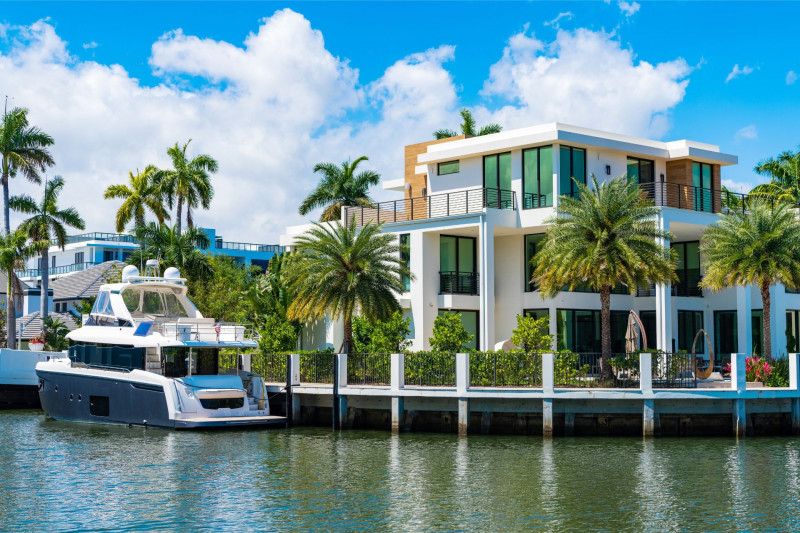
Benahavís sits in the hills above Marbella and Puerto Banús, a 20-minute drive from the coast but a world apart in character. Low-density zoning, mature landscaping, and proximity to golf courses have made it one of the Costa del Sol's most consistent luxury villa markets. For buyers who value privacy, views, and a permanent sense of space, Benahavís delivers what the beachfront can't.
This guide walks through the realities of buying here in 2026: what you'll pay, which neighbourhoods matter, the steps that separate a smooth transaction from a protracted headache, and the pitfalls that catch unprepared buyers.
Why Benahavís Remains a Luxury Villa Hotspot
The municipality has strict planning controls that limit apartment blocks and commercial sprawl. The result is a landscape of standalone villas, gated communities, and country clubs. Buyers are typically equity-rich Europeans, families seeking international schools within 30 minutes, and executives who work remotely but want Marbella nightlife within reach when needed.
Golf density is high. Los Flamingos, El Higueral, Marbella Club Golf Resort, and others lie within Benahavís boundaries, and their club memberships often come bundled with property purchases. The town itself, a traditional white village, offers restaurants and services but remains resolutely residential in tone.
Infrastructure improvements over the past five years have included road widening on the A-7176 and better fibre connectivity, addressing two historic pain points. Water supply and sewage systems in some older developments still warrant close inspection, but newer builds since 2020 are generally connected to mains services.
Understanding Benahavís Villa Price Bands and Expectations
Price per square metre varies by micro-location more than in almost any other Costa del Sol municipality. At the lower end of what still qualifies as "luxury", expect €4,000 to €6,000 per square metre for a well-maintained villa in a mid-tier community. These properties typically offer four bedrooms, 300 to 400 square metres of living space, pool, and garden, with shared security and some level of golf or club access.
The mid-market runs from €6,000 to €10,000 per square metre. Here you find newer construction, higher specifications, sea glimpses or full sea views, and tighter security protocols. Many buyers in this band are upgrading from coastal apartments or relocating from northern Europe with specific lifestyle requirements: home offices, guest suites, wine cellars, gyms.
Above €10,000 per square metre you enter the rarefied zone of ultra-secure estates, bespoke architecture, and concierge-level services. La Zagaleta is the flagship, but pockets of El Madroñal and newly developed plots near La Quinta also command these figures when the plot, view, and finish align.
Price inflation between 2023 and 2026 has been moderate compared to Marbella Golden Mile or Estepona. Sellers who overpaid in 2022 are more willing to negotiate now, and inventory has risen slightly as some investors who banked on short-term capital gains have exited.
Prime Neighbourhoods: La Zagaleta, Los Flamingos, and El Madroñal
La Zagaleta remains the most exclusive address. A private estate of around 900 hectares with two 18-hole golf courses, helipad, equestrian centre, and 24-hour manned security. Plot sizes start at 2,000 square metres; most villas are bespoke builds. The community is strictly residential, no rentals permitted, and the buying process includes a membership application. Prices here begin around €4 million and can exceed €20 million for the most prominent positions.
Los Flamingos offers a more accessible entry point while retaining pedigree. The Villa Padierna hotel anchors the area, and three golf courses provide variety. Villas here range from €1.5 million to €5 million. The community is less insular than La Zagaleta, with a mix of permanent residents and second-home owners. Security is gated but less intrusive, and rental activity is permitted in most phases, which can be a double-edged sword depending on your priorities.
El Madroñal lies on the slopes between Benahavís and San Pedro. Plots are generous, many over 3,000 square metres, and the architecture skews traditional Andalusian rather than the contemporary glass boxes found elsewhere. The community is older, established in the 1980s, and turnover is low. When villas do come to market, they often need modernisation, but the bones and the location command a premium. Prices typically fall between €2.5 million and €8 million.
Other neighbourhoods worth investigating include Marbella Club Golf Resort, where the hotel and golf course provide resort-style amenities, and Monte Mayor, a gated community further inland with larger plots and lower density. Each has distinct covenants, fee structures, and community rules that affect resale liquidity.
Benahavís Estate Comparison
Estate | Typical Price Range | Plot Size | Security Level | Rentals Permitted | Community Fees (Monthly) | Golf Access | Resale Liquidity |
|---|---|---|---|---|---|---|---|
La Zagaleta | €4m - €20m+ | 2,000+ sqm | 24-hour manned gates, perimeter patrol | No | €800 - €1,500 | Two private 18-hole courses | Low (exclusivity limits buyer pool) |
Los Flamingos | €1.5m - €5m | 800 - 2,500 sqm | Gated, CCTV | Yes | €200 - €400 | Three courses (Villa Padierna) | High |
El Madroñal | €2.5m - €8m | 2,500+ sqm | Gated, lower density | Yes | €300 - €500 | Nearby but not on-estate | Medium (older stock, selective buyers) |
Monte Mayor | €1.2m - €4m | 1,500 - 3,000 sqm | Gated, roving security | Yes | €150 - €300 | Adjacent (Los Arqueros) | Medium |
Marbella Club Golf Resort | €2m - €10m | 1,000 - 2,500 sqm | Gated, hotel security integration | Yes (restrictions apply) | €400 - €700 | One championship course on-site | High |
What to Look for in a Benahavís Luxury Villa
Title and planning compliance top the list. Some older villas were built under permits that no longer align with current zoning, and extensions or pool houses may lack proper licensing. A competent lawyer will commission a nota simple and check the catastral record, but also verify that what stands on the plot matches what's registered. Discrepancies can block mortgages and complicate future sales.
Water and utilities deserve close attention. Mains water is now available in most developments, but some properties still rely on community boreholes or private wells. Check pressure, potability, and any restrictions during summer months. Similarly, confirm whether sewage connects to the municipal network or uses a septic system. The latter isn't inherently problematic but requires maintenance and may face stricter environmental regulation in coming years.
Community fees and special assessments vary widely. A well-run community with landscaping, security, and maintained roads might charge €200 to €500 per month. Poorly managed or ageing developments can hit you with sudden levies for road repairs, gate automation, or legal disputes. Ask for the last three years of AGM minutes and the current reserve fund balance.
Build quality and energy performance matter more as renovation costs have risen. Villas built before 2010 often lack thermal insulation, double glazing, or modern HVAC systems. Retrofitting can easily run to €100,000 or more. If you're considering a renovation, budget an extra 20 per cent beyond the architect's estimate for unforeseen issues, planning delays, and material price fluctuations.
View corridors and future development require investigation. Benahavís planning is restrictive, but neighbouring plots can still be developed, and a clear sea view today might be partially obscured in five years. Review the Plan General de Ordenación Urbana for the area, and if the villa's value hinges on a view, consider whether protective covenants exist.
Common Pitfalls When Buying in Benahavís
Unlicensed extensions and alterations. Many villas have been extended over the years without proper permits. Pergolas converted to habitable rooms, garages turned into guest suites, or enlarged terraces may not appear on official plans. This creates problems when you sell or apply for financing. Insist your lawyer reconciles the physical property with the registered plans before exchange.
Shared wells versus mains water. Older communities sometimes operate on shared borehole systems with usage quotas or seasonal restrictions. In dry years, pressure can drop or supply can be rationed. Mains connection is preferable and typically adds resale value. If the villa relies on a well, have water quality tested and confirm legal extraction rights.
Community debt attached to the property. Unpaid community fees or special levies can transfer with the property. Spanish law allows communities to pursue the new owner for arrears accumulated by the previous one. Your lawyer should obtain a certificate of non-debt (certificado de estar al corriente de pago) from the community administrator before completion.
Resale restrictions in exclusive estates. La Zagaleta and a few other developments impose rules on resale, including first-refusal rights for existing members or approval processes for prospective buyers. These can lengthen sales timelines and limit your buyer pool. Understand the covenants before you buy, especially if you view the property as a medium-term hold.
Capital gains tax on short-term sales. If you sell within three years of purchase, Spanish capital gains tax applies to any profit at your marginal income tax rate, which can reach 26 per cent for non-residents. This discourages flipping and punishes those who misjudge the market. Plan a hold period of at least three years to optimise your tax position.
The Buying Process: A Step-by-Step Checklist
Engage a Spanish property lawyer before you make an offer. The cost is modest, typically €1,500 to €3,000 for a straightforward purchase, and the protection is invaluable. They will conduct due diligence, draft or review the private purchase contract (contrato de arras), and represent you at completion before the notary.
1. Obtain Your NIE (Número de Identidad de Extranjero)
Every foreign buyer needs an NIE, the Spanish tax identification number. You can apply at a Spanish consulate in your home country or in Spain at a national police station or designated office. Processing takes one to six weeks depending on location. Some buyers start the NIE application before finding a property to avoid delays once an offer is accepted.
2. Instruct an Independent Lawyer
Choose a lawyer who is independent of the agent and seller. They should be a member of the Ilustre Colegio de Abogados and have English fluency if you are not comfortable in Spanish. The lawyer's role is to verify title, check for debts or charges, confirm planning compliance, and protect your interests throughout the transaction.
3. Reserve the Property with a Deposit
Once your offer is accepted, you typically pay a reservation deposit of €10,000 to €20,000. This is often refundable if due diligence uncovers serious defects, but terms vary. The deposit takes the property off the market while your lawyer conducts checks. Ensure the reservation agreement is in writing and specifies refund conditions.
4. Lawyer Conducts Title and Planning Checks
Your lawyer will obtain a nota simple from the Land Registry, showing ownership, mortgages, and charges. They will also request a certificate from the town hall confirming the property has a licencia de primera ocupación (first-occupation licence) and that no illegal works exist. For older villas, discrepancies between registered plans and actual buildings are common and must be resolved before proceeding.
5. Sign the Preliminary Contract (Contrato de Arras)
The arras contract formalises the agreement. You pay a deposit, usually 10 per cent of the purchase price, which becomes non-refundable if you withdraw. If the seller backs out, they must return double the deposit. The contract sets a completion date, typically six to twelve weeks later. Your lawyer should review every clause, especially those concerning penalties, completion date, and what fixtures and fittings are included.
6. Pay the Balance and Complete at the Notary
On the agreed date, you meet at the notary's office with the seller, your lawyer, and the seller's lawyer. The notary reads the escritura de compraventa (title deed), you pay the balance (usually by bank transfer completed that morning), and the property transfers to your name. The notary witnesses and registers the transaction. You receive copies of the signed escritura immediately.
7. Register the Deed with the Land Registry
The notary submits the escritura to the Land Registry (Registro de la Propiedad). Full registration can take several months, but your ownership is secure from the moment the notary certifies the deed. Once registered, you receive the final registered title. Keep this document safe; it is your proof of ownership.
Financing Your Benahavís Villa Purchase
Most luxury buyers in Benahavís pay cash, but financing is available for those who prefer to keep liquidity or diversify investments.
Typical loan-to-value ratios for non-residents are 60 to 70 per cent, meaning you need a deposit of 30 to 40 per cent. Spanish banks are cautious with foreign buyers and will scrutinise income, existing assets, and credit history. EU nationals often receive slightly better terms than non-EU buyers, but the difference has narrowed in recent years.
Which Spanish banks lend to international buyers? Sabadell, BBVA, CaixaBank, and Banco Santander all have private banking or international client divisions that handle non-resident mortgages. Some lenders, particularly those with branches in Marbella and Estepona, have dedicated teams familiar with Benahavís property. Expect to provide tax returns for the past two years, proof of income, bank statements, and a copy of the compromiso de compraventa (preliminary contract).
Mortgage approval timelines range from four to eight weeks. Begin the application as soon as your offer is accepted to avoid delaying completion. The bank will commission its own valuation, and if the property appraises below the agreed price, the loan amount may be reduced, requiring you to cover the shortfall in cash.
Estate-specific restrictions on financing. La Zagaleta and some ultra-prime developments discourage or prohibit mortgages as part of their membership criteria. The rationale is that mortgage default and repossession risk can tarnish the community's exclusivity. If you plan to finance, clarify whether the estate permits it before committing to purchase. Other communities have no such restrictions, but a mortgage does add complexity and time to the buying process.
Taxes and Fees at Purchase
Expect to add roughly 10 to 12 per cent to the purchase price for resale properties in 2026. The main components are transfer tax (Impuesto de Transmisiones Patrimoniales) at 7 per cent in Andalucía at the time of writing, notary and registration fees around 1 to 1.5 per cent, legal fees typically 1 per cent plus VAT, and bank fees if you are taking a mortgage. New-build properties are subject to VAT at 10 per cent instead of transfer tax, plus stamp duty at 1.5 per cent, so the total is slightly higher.
Your lawyer will calculate the exact liability based on the declared purchase price and ensure all taxes are paid on time to avoid penalties. Budget conservatively and hold a reserve for any additional costs that arise during the conveyancing process.
Ongoing Costs of Ownership
Community fees have been covered above and vary by development. Annual property tax (IBI) is relatively modest, often between €2,000 and €6,000 for a luxury villa depending on the catastral value. Non-resident income tax applies even if you don't rent the property. The tax is calculated on a notional rental income (1.1 or 2 per cent of the catastral value, depending on when it was last revised) and taxed at 19 per cent for EU residents, 24 per cent for non-EU residents. The annual bill typically ranges from €500 to €2,000.
Wealth tax was temporarily suspended in Andalucía for residents, but non-residents remain liable. The threshold is €700,000 of net assets in Spain, and rates are progressive. Many buyers structure ownership through a Spanish company to manage wealth tax and inheritance tax more efficiently, though this adds administrative cost and complexity.
Utility bills vary by usage but expect €150 to €400 per month for electricity, water, and internet in a large villa with pool heating, air conditioning, and home automation. Garden and pool maintenance, if outsourced, adds another €200 to €500 per month depending on plot size and specification.
Frequently Asked Questions
Can non-EU buyers purchase property in Benahavís?
Yes. Spain places no restrictions on property ownership by foreign nationals, EU or otherwise. Non-EU buyers follow the same legal process as EU citizens, though mortgage terms may differ slightly and tax rates on rental income or notional income are marginally higher. Reciprocity rules that once limited buyers from certain countries have not applied in practice for decades.
What are typical community fees in Benahavís estates?
Community fees range from €150 per month in lower-density developments with minimal shared services to €1,500 per month in ultra-secure estates like La Zagaleta that maintain extensive grounds, multiple golf courses, equestrian facilities, and 24-hour security. Most mid-market communities charge €250 to €500 per month. Always request a breakdown of what the fees cover and review the reserve fund to ensure the community is financially healthy.
How long does the conveyancing process take?
From accepted offer to completion, expect six to twelve weeks if you are a cash buyer and have your NIE in hand. Mortgage buyers should add four to eight weeks for loan approval, meaning the total timeline can stretch to four months. Delays often occur due to title defects, unresolved planning issues, or slow responses from the community administrator. An experienced lawyer and proactive approach keep the process on track.
Do I need an NIE before making an offer?
Strictly speaking, no. You can make an offer and even sign a reservation agreement without an NIE. However, you will need the NIE to sign the arras contract, open a Spanish bank account, and complete the purchase. Starting the NIE application early avoids becoming a bottleneck. Some agents and lawyers will not proceed beyond initial discussions until you have at least applied for an NIE, as it signals serious intent.
What taxes apply when I buy a resale villa?
For resale properties in Andalucía, the main tax is Impuesto de Transmisiones Patrimoniales at 7 per cent of the purchase price or the official valuation, whichever is higher. You also pay notary fees (around 0.5 per cent), Land Registry fees (around 0.5 per cent), and legal fees (typically 1 per cent plus VAT). In total, budget 10 to 11 per cent of the purchase price for transaction costs. New-build villas are subject to 10 per cent VAT and 1.5 per cent stamp duty instead.
Are there restrictions on renting out my villa?
This depends entirely on the community. La Zagaleta prohibits rentals altogether. Most other estates, including Los Flamingos, El Madroñal, and Marbella Club Golf Resort, permit rentals but may impose rules on minimum rental periods (often 30 days to prevent party lettings) and require landlord registration with the Junta de Andalucía. Tourist rental licences are difficult to obtain in Benahavís due to planning restrictions, so long-term rentals to families or executives are the norm.
What should I do if I discover illegal building works after purchase?
If your lawyer conducted proper due diligence, this should not happen. However, if unlicensed works are discovered post-completion, you have limited recourse against the seller unless you can prove deliberate concealment. Your options are to apply for retrospective planning permission (not always granted), remove the unlicensed structures, or accept the risk that future buyers or mortgage lenders may object. This is why thorough pre-purchase checks are essential.
Why Expert Guidance Matters
Buying a luxury villa in Benahavís is not a transaction you want to navigate alone. The interplay of Spanish property law, community covenants, tax planning, and estate-specific rules rewards those who invest in proper advice upfront.
If you are serious about purchasing in Benahavís and want a partner who understands both the local market and the legal intricacies, we would be glad to help. Our team has guided international buyers through hundreds of Costa del Sol transactions, from initial search to post-completion asset management.
Get in touch to discuss your Benahavís property requirements, or explore our current portfolio of luxury villas across the Costa del Sol.