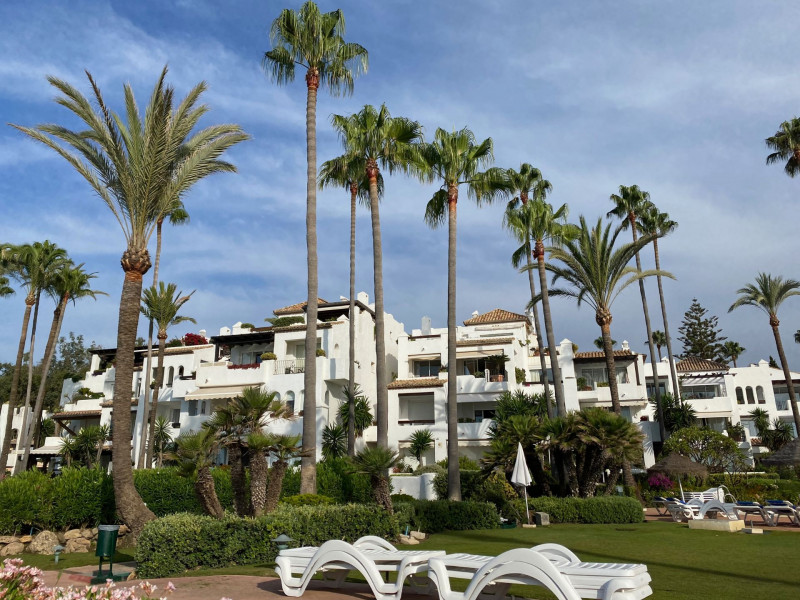
We've watched the Costa del Sol's property market long enough to recognise when a town reaches its inflection point. Estepona has arrived at that moment.
While Marbella commands premium prices and Málaga grapples with over-tourism, Estepona has quietly assembled everything international buyers claim they want: Mediterranean climate, genuine Spanish culture, excellent infrastructure, and a quality of life that doesn't require constant compromise. The secret, as it were, is out.
Estepona's Infrastructure Transformation
The Estepona most buyers discover today bears little resemblance to the sleepy fishing village of two decades ago. Municipal investment has been deliberate and sustained. The promenade now stretches unbroken along the coastline, connecting beaches that were once isolated pockets. The old town has been systematically restored without succumbing to theme-park pastiche, its flower-lined streets and plaza network forming the kind of walkable urban fabric that Northern Europeans fantasise about.
Healthcare infrastructure matters enormously to relocating families and retirees. Estepona's hospital serves the western Costa del Sol with modern facilities, and the town sits within practical reach of Málaga's larger medical centres when specialist care is needed. International schools have opened to serve the growing expatriate population, though numbers remain manageable compared to the sprawling campuses found further east.
The AP-7 motorway positions Estepona favourably. Málaga airport is under an hour in normal traffic. Gibraltar airport offers an alternative for certain UK routes, sitting just 45 minutes southwest. Marbella's amenities are a 20-minute drive when you want them, but crucially, you're not living in Marbella's congestion or paying Marbella's prices.
Authentic Andalusian Character Meets Modern Amenity
This is the balance Estepona has managed to strike, and it's rarer than you might think along developed coastlines.
The town remains genuinely Spanish. Walk through the Casco Antiguo on a weekday morning and you'll find older residents buying vegetables in the market, not posing for Instagram against geranium-covered walls (though the geraniums are very much real). Restaurants in the side streets still serve menú del día to local workers at lunchtime. The rhythm of Spanish life persists because enough Spanish families have stayed, and because development hasn't been so frenzied that community cohesion collapsed.
Yet modern convenience sits alongside tradition. Supermarkets stock international products. English is widely spoken in commercial settings. Banking, legal services, and property management have professionalised to meet international standards. You can live comfortably in Estepona without fluent Spanish, though learning the language opens the town more fully.
The beaches deserve mention. Estepona's coastline extends for 21 kilometres, much of it Blue Flag awarded. These aren't the packed sardine tins you'll find in peak season further up the coast. Space exists. Water quality is consistently excellent. Beach clubs and chiringuitos provide the social infrastructure without the Marbella price tags or pretension.
The Numbers Behind the Momentum
Property transaction data tells the story that anecdotal evidence suggests. International buyer activity in Estepona has increased markedly, with British, Scandinavian, and Northern European purchasers particularly active. The town's relative affordability compared to Marbella creates an entry point for buyers who want Costa del Sol lifestyle without stretching budgets to breaking point.
Rental yields in well-located properties remain attractive for investors. The extended season, driven partly by remote workers and digital nomads who aren't bound to traditional holiday periods, has improved occupancy rates. Winter on the Costa del Sol is no longer dead months; it's when Northern Europeans escape grey skies for reliable sunshine and €2 coffee.
Price appreciation has been steady rather than explosive, which in our view signals healthier fundamentals than the boom-bust cycles that plague purely speculative markets. Buyers are purchasing for lifestyle and long-term value, not flipping in 18 months.
How Estepona Compares to Costa del Sol Alternatives
Understanding where Estepona sits in the regional hierarchy helps clarify its appeal. The contrasts with nearby markets are instructive.
Factor | Estepona | Marbella | Málaga City |
|---|---|---|---|
Airport Distance | 55 min to Málaga | 40 min to Málaga | 15 min to Málaga |
Property Prices | Mid-range | Premium to ultra-premium | Mid to high-range |
Expat Community | Medium, growing | Large, established | Medium |
Beach Crowding | Low to moderate | High in peak season | High year-round |
Spanish Authenticity | High | Moderate in town centre | High |
International Schools | Limited but adequate | Numerous | Numerous |
Hospital Access | Local hospital + Málaga specialists | Multiple private clinics | Major teaching hospitals |
Golf Course Proximity | Excellent (15+ courses nearby) | Excellent (20+ courses) | Moderate |
The table reveals Estepona's positioning: close enough to premium amenities, far enough to avoid their pressures, and priced to remain accessible without sacrificing quality.
A Norwegian couple we know found a three-bedroom villa 800 metres from Playa del Cristo for roughly 30 percent less than comparable properties in Nueva Andalucía. Same climate, same golf access, fraction of the pretension. That margin matters when you're funding relocation from savings rather than tech-exit wealth.
Quality of Life That Rivals Established Hubs
Quality of life is subjective, but certain metrics are hard to argue with. Estepona enjoys over 320 days of sunshine annually. Average winter temperatures sit comfortably in the mid-teens Celsius. You can play golf, sail, or hike in the Sierra Bermeja on the same day without heroic logistical effort.
The food scene has matured. Michelin recognition has come to several local restaurants, but equally important are the neighbourhood spots serving exceptional seafood and traditional Andalusian cooking without fuss. Markets overflow with local produce. The pace of life allows you to actually enjoy cooking and eating rather than grabbing fuel between obligations.
Crime rates remain low. Estepona feels safe in the way that allows evening strolls and outdoor dining without the hyper-vigilance required in many urban environments. Community policing is visible but not oppressive.
Perhaps most significantly, the town hasn't lost its soul. Development has been controlled enough that architectural identity persists. The contrast with parts of the Costa del Sol that resemble concrete canyons is stark. Estepona still looks like an Andalusian town that happens to have excellent services, not a resort that vaguely remembers its Spanish heritage.
A remote software developer from Manchester maintains his London client base while enjoying Estepona's winter golf season. He works UK hours from a rented apartment overlooking the marina, bills in sterling, lives on a fraction of what London demanded, and sees his family more because the commute is now a walk to the beach instead of the Northern Line at rush hour. That lifestyle arbitrage is precisely what draws digital workers southward.
What International Buyers Should Know Before Relocating to Estepona
Relocation requires more than falling in love with a place during a long weekend visit. Several practical barriers deserve honest examination before you commit.
Residency requirements vary dramatically based on nationality and intent. British citizens post-Brexit face the same rules as other third-country nationals: 90 days in any 180-day period for tourism, or formal residency if you're staying longer. The process involves demonstrating financial means, healthcare coverage, and housing. It's manageable but requires paperwork, patience, and often professional assistance. EU citizens retain freedom of movement, though registration with local authorities is still required after three months.
Property purchase for non-residents is perfectly legal but involves steps unfamiliar to UK buyers. You'll need a Spanish tax number (NIE), which is straightforward to obtain. Legal representation is essential, not optional. Your lawyer should conduct title searches, verify planning permissions, check for debts against the property, and ensure the escritura (title deed) is clean. Expect the purchase process to take 8-12 weeks once you've found the right property. Notary fees, registration costs, and transfer taxes add roughly 10-12 percent to the purchase price for resale properties.
Tax implications depend entirely on your residency status and income sources. Spain taxes worldwide income for residents, applies wealth tax in certain circumstances, and levies inheritance tax on estates. These aren't reasons to avoid purchase, but they are reasons to seek specialist advice based on your specific situation. What works for a retired couple living solely on UK pensions differs vastly from a digital nomad with multiple income streams across jurisdictions.
Local integration happens more easily when you make some effort. Learning basic Spanish smooths daily interactions and signals respect for your adopted home. Participating in community life, even peripherally through local markets or neighbourhood fiestas, builds connections that pure expat-bubble living misses. Estepona's size works in your favour here: small enough to become familiar, large enough to offer choice.
Understanding the broader Spanish property market helps contextualise Estepona's opportunity. The Costa del Sol's development patterns, regulatory environment, and buyer demographics create specific dynamics that don't mirror other Mediterranean markets.
Why Now Is the Inflection Point
Markets move in waves. Estepona sat in Marbella's shadow for decades, attracting buyers who wanted value but accepting they were trading prestige for affordability. That calculation has shifted.
Marbella's growth has brought the inevitable downsides: traffic congestion, over-development in pockets, service strain during peak season, and prices that increasingly require serious wealth rather than comfortable middle-class resources. Málaga city, while culturally vibrant, faces genuine over-tourism challenges that affect resident quality of life.
Estepona offers what those markets promised twenty years ago. It's reached the development threshold where international living is genuinely comfortable, but hasn't crossed into the over-saturation that degrades the lifestyle you're purchasing. That window doesn't stay open indefinitely.
Infrastructure projects already approved will improve connectivity further. The town's profile continues rising in international property media and lifestyle publications. Buyers who discover Estepona in 2026 are ahead of a curve, but not so far ahead that they're pioneers taking outsized risk. The fundamentals are proven. The question is whether you act while the opportunity remains accessible.
2026 Market Dynamics and Forward Outlook
Several forces are converging to make 2026 a particularly interesting year for Estepona buyers.
The remote work visa introduced by Spain in recent years has matured from bureaucratic novelty to established pathway. Digital nomads who once bounced between short-term rentals can now secure 12-month residency permits, renewable for up to five years, provided they meet income thresholds and maintain non-Spanish clients. This stabilises the rental market for landlords and allows remote workers to genuinely settle rather than perpetually tourist-hopping.
Post-Brexit residency clarity has finally emerged. The initial chaos of 2021-2023 has resolved into established procedure. British buyers know exactly what's required, legal frameworks are tested, and the administrative friction has reduced substantially. If Brexit uncertainty kept you on the sidelines, that excuse has largely evaporated.
Seasonal timing in 2026 favours autumn purchasers. Spring typically sees peak competition as Northern Europeans emerge from winter dreaming of Mediterranean sun. September through November offers calmer markets, motivated sellers, and cooler temperatures for property viewings without sacrificing the essential feel of the place. You're buying the lifestyle in conditions closer to how you'll actually live it, not sun-drunk on a 35-degree July afternoon.
Currency markets remain unpredictable, but sterling has stabilised relative to the volatility of 2022-2023. For UK buyers watching exchange rates, current levels sit in a reasonable band for commitment, though professional currency advice tailored to your timeline remains valuable.
The town's development pipeline includes continued promenade extensions westward and ongoing old-town pedestrianisation. These are enhancements to existing strengths rather than speculative mega-projects. The municipality appears committed to controlled growth that serves residents rather than chasing developer profits at the expense of character.
If you're serious about Estepona, speaking with specialists who understand both the local market and international buyer requirements removes substantial uncertainty from the process. The difference between a smooth relocation and an expensive learning experience often comes down to asking the right questions before committing, not after.
Frequently Asked Questions
Is Estepona safe for families?
Yes, Estepona maintains low crime rates and a visible but non-intrusive police presence. The town's layout supports family life with pedestrianised zones, numerous parks, and beach areas that feel safe for children. International families report feeling comfortable with evening activities and independent teenage movement within the town centre.
How far is Estepona from Málaga airport?
Estepona sits approximately 80 kilometres from Málaga-Costa del Sol Airport, translating to 50-60 minutes by car in normal traffic conditions via the AP-7 motorway. Gibraltar airport offers an alternative 45 minutes southwest, though with more limited route options.
Do I need to speak Spanish to live in Estepona?
You can function comfortably without Spanish in commercial settings, healthcare facilities, and expat-facing services where English is widely spoken. However, learning at least conversational Spanish significantly enriches integration, smooths bureaucratic processes, and opens authentic local experiences beyond the international bubble.
What is the average cost of property in Estepona compared to Marbella?
Estepona properties typically command 25-35 percent lower prices than comparable Marbella equivalents, particularly in beachside locations. This gap has narrowed slightly as Estepona's profile rises but remains substantial enough to affect purchasing power materially.
Can I work remotely from Estepona?
Absolutely. Estepona's internet infrastructure supports remote work, with fibre broadband widely available in urban areas and newer developments. Spain's digital nomad visa provides legal framework for non-EU remote workers maintaining clients outside Spain, subject to income requirements and application procedures.
What healthcare options exist in Estepona?
Estepona operates a modern public hospital serving the western Costa del Sol, supplemented by private clinics and specialist practices. Residents access the Spanish public health system through residency registration, while private insurance remains popular for reduced waiting times and English-language service. Málaga's larger teaching hospitals lie within an hour for complex specialist care.