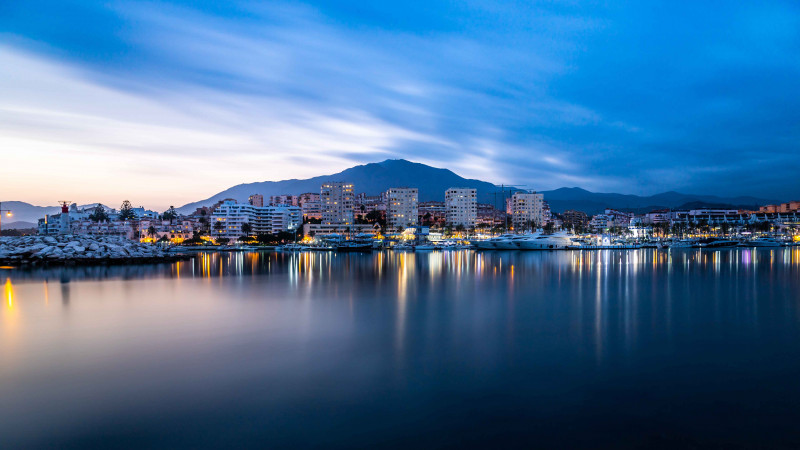
Estepona has quietly become one of the Costa del Sol's most sought-after addresses for international buyers. While Marbella and Puerto Banús command attention with their glitz, this former fishing town offers something many consider more valuable: authentic Spanish character, exceptional coastal living and genuine value for money.
The shift in buyer sentiment is tangible. Estepona now attracts everyone from British and Scandinavian retirees to remote-working families from across Europe and beyond. What draws them is a combination of factors that, taken together, make daily life genuinely appealing rather than merely picturesque.
Year-Round Climate and Outdoor Living
Estepona enjoys one of the most benign microclimates on the Costa del Sol. The Sierra Bermeja mountains provide natural shelter from cooler northerly winds, while the Mediterranean moderates temperature extremes.
Climate at a glance:
- Winter average temperatures: 12-18°C
- Summer average temperatures: 24-30°C
- Annual sunshine hours: Approximately 2,900-3,000 hours
- Annual rainfall days: Around 50-60 days
- Beach-weather months: Typically April through October
This climate translates into practical lifestyle benefits. Terraces, pools and outdoor kitchens see use ten or eleven months of the year. Laundry dries outside year-round. Golf, tennis, hiking and cycling carry on through the calendar with minimal interruption. For international buyers from northern Europe especially, the extended outdoor season represents a fundamental quality-of-life upgrade.
Winter days typically remain warm enough for outdoor dining, and summer heat is tempered by coastal breezes.
Walkable Old Town and Authentic Spanish Character
Unlike purpose-built resort developments, Estepona retains a genuine working town centre. The old quarter is compact, pedestrianised and genuinely Spanish. Locals still outnumber tourists in the tapas bars and morning markets. Plaza de las Flores hosts daily life rather than staged entertainment.
This walkability matters. Residents can collect bread, visit the pharmacy, meet friends for coffee and shop for fresh fish without moving a car. Children play in the squares. Elderly residents maintain independence longer because daily errands remain accessible on foot.
The town has invested heavily in streetscape improvements, flower-filled plazas and public art without sacrificing authenticity. The result is a town that feels lived-in and cared-for rather than museum-like or contrived.
Beach Access and Coastal Lifestyle
Estepona offers 21 kilometres of coastline with multiple beach options. The seafront promenade runs for miles, linking beaches, chiringuitos (beach bars) and residential zones in one continuous pedestrian and cycle route.
Blue Flag beaches confirm water quality and facility standards, but many buyers value the variety more than accolades. Playa del Cristo suits families with young children thanks to shallow waters and playground facilities. Playa de la Rada stretches wide and flat, perfect for long beach walks. Costa Natura caters to naturists. Smaller coves between the major beaches offer quieter alternatives.
The promenade itself becomes a daily amenity. Morning runners, evening strollers and weekend cyclists use it year-round. Beachfront restaurants range from simple pescaíto frito shacks to upscale Mediterranean dining, all accessible without booking a table weeks ahead.
Exceptional Value Compared to Neighbouring Towns
Price differentials drive many buyer decisions. Property in Estepona typically costs 20 to 40 per cent less than equivalent homes in Marbella or Puerto Banús, yet sits only 20 minutes along the coast.
Cost Comparison: Estepona vs Marbella vs Puerto Banús
Item | Estepona | Marbella | Puerto Banús |
|---|---|---|---|
Average 3-bed apartment price | €320,000-€380,000 | €480,000-€580,000 | €650,000-€850,000 |
Average 2-bed villa price | €450,000-€550,000 | €680,000-€820,000 | €900,000-€1,200,000 |
Restaurant meal (mid-range) | €12-€18 | €18-€28 | €25-€40 |
Monthly community fees (typical) | €80-€150 | €150-€280 | €250-€450 |
This gap means budgets stretch further. Consider a worked example: £250,000 in Estepona in 2026 buys a three-bedroom, two-bathroom apartment with communal pool access and a ten-minute walk to the beach. The same budget in Marbella yields a two-bedroom, one-bathroom apartment with shared pool and no sea proximity, often requiring a car journey to reach the coast.
Running costs follow the same pattern. Grocery shopping, property maintenance and local services all cost noticeably less than in the more tourist-dependent towns. The savings compound over years of full-time residence.
Community fees tend to be lower. Parking remains manageable. The town doesn't impose the premium for exclusivity that neighbouring areas command.
International Community and Language-Friendly Environment
Estepona has welcomed international residents for decades, resulting in mature infrastructure and services that accommodate non-Spanish speakers without ghetto-ising them.
English is widely spoken in medical centres including Hospital de Estepona and private clinics such as Vithas Xanit Internacional, town hall departments, banks and shops, though not universally. This balance appeals to buyers who want integration support without living in an expat enclave.
International schools in and around Estepona serve families from dozens of nationalities. Atalaya International School offers the British curriculum, while El Paraiso International School and Laude San Pedro International College (in nearby San Pedro de Alcántara) provide options for families prioritising English-medium education. These schools create natural community networks for international families.
Language schools, cultural exchange groups and international churches provide additional community entry points. The weekly international market in nearby Manilva and regular expat social gatherings at venues along the coast offer informal networking opportunities.
British, Scandinavian, German and Dutch communities are well-established, but the demographic is broadening. Recent buyers include remote workers from across the EU, North American retirees and families from the Middle East.
This diversity creates a cosmopolitan atmosphere while the Spanish core keeps the town grounded. You can find Yorkshire tea and Swedish crispbread, but you'll still queue behind locals buying jamón and fresh sardines.
Modern Infrastructure and Healthcare
Estepona has invested significantly in infrastructure over the past decade. The hospital, expanded and modernised, offers emergency and specialist services. Private clinics provide English-speaking consultations and treatments, often with waiting times measured in days rather than months. Vithas Xanit Internacional and Quirónsalud hospitals in nearby areas offer comprehensive English-speaking services for residents who prefer private healthcare.
Sports facilities include multiple municipal centres, outdoor pools, tennis courts, paddle courts and an athletics track, all available to residents at modest cost. The town maintains parks, playgrounds and public spaces to high standards.
Digital infrastructure keeps pace with remote work demands. Fibre broadband reaches most residential areas, and 5G mobile coverage is widespread. Co-working spaces have opened to serve the growing remote-worker demographic.
Public transport connects the town internally and links to Marbella, Málaga and other coastal towns via regular bus services. While most residents own cars, the option to reduce car dependency exists for those who prioritise it.
Transport Links and Connectivity
Practical access matters to international buyers, and Estepona delivers strong connectivity despite its relaxed character.
Málaga-Costa del Sol Airport sits approximately 80 kilometres east, typically a 50 to 60-minute drive via the AP-7 motorway outside peak summer traffic. The airport serves over 180 routes, including year-round connections to most major European cities and seasonal services further afield. Budget carriers and legacy airlines both operate extensively, keeping flight costs competitive.
Gibraltar Airport provides an alternative roughly 45 minutes west, useful for certain UK routes and offering variety for frequent travellers.
Road connectivity centres on the AP-7 toll motorway and parallel A-7 coastal road, both linking Estepona to Marbella (20 minutes), Málaga city (one hour) and westward to Sotogrande and Gibraltar. The N-340 provides a slower, scenic alternative through coastal towns.
Local and regional buses operate frequently along the coast and into Estepona's residential zones, making car-free living feasible for those near key routes.
Combined, these transport options make Estepona practical for part-time residents, visiting family and business travel while preserving the town's unhurried atmosphere.
Málaga City Access and Cultural Amenities
Málaga city itself offers cultural attractions, shopping, dining and services that supplement Estepona's offerings. The journey takes about an hour, making it feasible for theatre trips, specialist shopping or medical appointments.
The city's museums, including the Picasso Museum and Centre Pompidou Málaga, provide world-class cultural experiences. The historic centre, cathedral and Alcazaba fortress offer architectural and historical depth. Málaga's restaurant scene, shopping districts and nightlife cater to tastes beyond what a smaller coastal town can sustain year-round.
For international buyers, this proximity matters. Estepona delivers daily quality of life, while Málaga provides the occasional urban fix without requiring permanent city residence.
Gastronomy and Cultural Calendar
Estepona's food scene balances tradition and innovation. The fishing port still supplies local restaurants, ensuring genuinely fresh seafood. Traditional tapas bars operate alongside modern bistros and international restaurants representing Italian, Japanese, Thai and other cuisines.
Weekly markets sell local produce, cheese, charcuterie and flowers. The central market hall offers daily shopping for fresh ingredients. For international goods, supermarkets stock British, German and Scandinavian products alongside Spanish staples.
The cultural calendar runs year-round. The Semana Santa processions draw crowds in spring. Summer brings outdoor concerts and beach festivals. The October fair celebrates local traditions with fairground rides, flamenco and casetas. Winter features Christmas markets and New Year celebrations.
These events feel participatory rather than performative. Residents attend alongside tourists, and the atmosphere remains inclusive rather than exclusive.
Practical Considerations for International Buyers
Language learning opportunities abound for those who want to integrate more deeply. Spanish classes specifically for expats run throughout the year at various levels. Many residents develop functional Spanish for daily transactions while maintaining English for complex matters.
Banking, legal services and property management companies routinely handle international clients, with English-speaking staff common in professional services. The NIE (foreigner identification number) process, property purchase procedures and residency applications all have well-trodden paths supported by bilingual professionals.
Healthcare deserves specific mention. Spain's public health system ranks highly internationally, and EU citizens retain access under current reciprocal arrangements. Private health insurance remains affordable compared to UK or US costs, and many international buyers maintain both options.
The combination of Spanish authenticity and international accommodation creates an environment where integration happens at the buyer's preferred pace.
Why Estepona Continues to Attract International Buyers
The appeal ultimately rests on balance. Estepona offers coastal Mediterranean living without the tourist crush of Marbella or the exclusivity premium of Puerto Banús. It provides Spanish character without linguistic isolation. It delivers modern amenities and international services while retaining small-town walkability and community feeling.
For British buyers especially, the proximity to home (under three hours door-to-door in many cases), the established expat infrastructure and the cost-of-living advantage make compelling arguments. For northern European buyers, the climate and outdoor lifestyle year-round represent transformative quality-of-life gains. For remote workers and digital nomads, the combination of reliable connectivity, affordable cost base and appealing lifestyle creates an ideal long-term base.
The town's continued investment in public spaces, services and infrastructure suggests these advantages will persist. Property values remain accessible while showing steady appreciation, offering both lifestyle and investment rationale.
If you're considering property on the Costa del Sol and want a location that combines authentic Spanish living with international buyer-friendly services and genuine value, Estepona deserves serious attention. The town delivers what many international buyers discover they actually want once the initial glamour of better-known locations fades: a place that works well for daily life, year after year.
Frequently Asked Questions
Is Estepona good for year-round living?
Yes. The mild winter climate, well-developed infrastructure, year-round cultural calendar and strong mix of permanent residents (both Spanish and international) make Estepona fully functional in all seasons. Unlike purely tourist-focused towns, shops, restaurants and services operate continuously.
How far is Estepona from Málaga airport?
Approximately 80 kilometres, typically 50 to 60 minutes by car via the AP-7 motorway outside peak traffic periods. Regular bus services also connect Estepona to the airport for those without cars.
Do I need to speak Spanish in Estepona?
Not essential for daily life, though helpful for deeper integration. English is widely spoken in medical centres, town administration, banks and many shops and restaurants. Many international residents develop functional Spanish over time through local classes and daily practice.
What is the cost of living compared to the UK?
Generally lower, particularly for property rental and purchase, dining out, utilities and local services. Groceries cost roughly similar for international brands, less for local produce. Private healthcare and property maintenance typically cost less than UK equivalents. Overall, most international residents report 20-30 per cent lower monthly expenditure for comparable lifestyle.
Is healthcare good for expats in Estepona?
Yes. The town has a modern public hospital and several private clinics with English-speaking staff, including Vithas Xanit Internacional and accessible Quirónsalud facilities in nearby areas. Both public healthcare (for those eligible) and private insurance options provide high-quality care with shorter waiting times than many northern European systems. Emergency services are comprehensive and responsive.