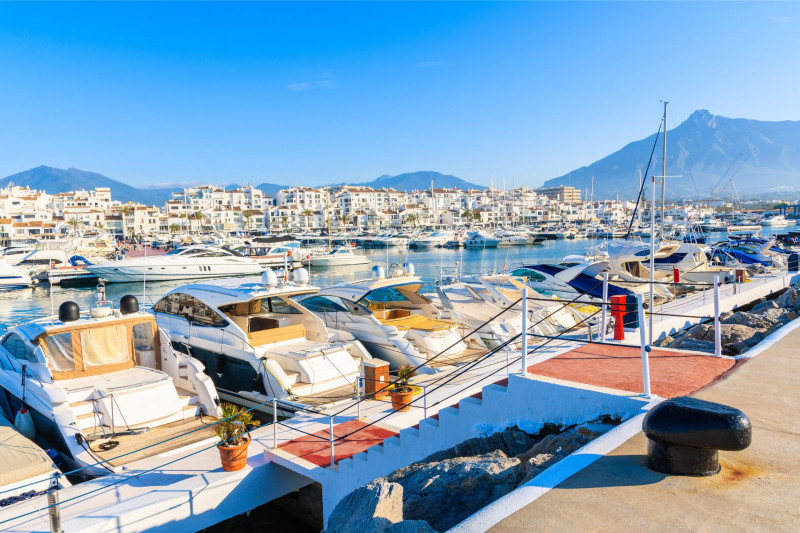
Choosing between Marbella and Estepona represents one of the most common dilemmas facing international property buyers on the Costa del Sol. Both towns offer Mediterranean lifestyle, year-round sunshine and access to world-class golf courses, yet they cater to distinctly different buyer profiles and investment strategies.
The two neighbouring markets have evolved along separate trajectories. Marbella has cemented its position as the luxury capital of southern Spain, attracting ultra-high-net-worth individuals and commanding premium pricing. Estepona, meanwhile, has emerged as a more accessible alternative, balancing authentic Spanish character with modern amenities and competitive property values.
Understanding which market aligns with your priorities requires examining not just headline prices but lifestyle expectations, rental income potential and long-term capital growth prospects. This comparison unpacks the key differences to help you make an informed decision.
Market Overview: Two Costa del Sol Neighbours
Marbella and Estepona sit approximately 30 kilometres apart along the coast, yet their property markets operate in different spheres. Marbella encompasses the famous Golden Mile, Puerto Banús marina and exclusive gated communities that have defined Costa del Sol luxury since the 1960s. The town attracts A-list celebrities, international business executives and buyers seeking prestige addresses.
Estepona presents a contrasting proposition. This former fishing village has undergone significant regeneration over the past decade whilst retaining its Spanish authenticity. The historic centre features whitewashed streets adorned with flower pots, tapas bars frequented by locals and a traditional plaza where residents gather for evening paseos.
The buyer demographic differs markedly. Marbella draws predominantly international purchasers, many acquiring second homes or investment properties in prime beachfront developments. Estepona appeals to a broader mix: retirees seeking year-round residence, families prioritising value and space, and investors targeting mid-market rental opportunities.
Key Market Comparison
Factor | Marbella | Estepona |
|---|---|---|
Average price per m² | €3,500-€6,000+ (premium areas significantly higher) | €2,200-€3,800 |
Typical 2-bed apartment | €350,000-€650,000 | €220,000-€380,000 |
Annual property tax (IBI) | €800-€2,500+ (varies by cadastral value) | €400-€1,200 |
Community fee ranges | €150-€500+ monthly (luxury developments higher) | €80-€250 monthly |
Rental yield estimate | 3-5% annual / 6-8% summer weekly rates | 4-6% annual / 5-7% summer weekly rates |
Buyer demographic | International HNWI, second-home owners, luxury investors | Retirees, families, mid-market investors, year-round residents |
Málaga Airport distance | 45-55 minutes | 55-70 minutes |
Beach access quality | Mixed (exclusive beach clubs alongside public beaches) | Extensive public beaches with Blue Flag awards |
*Note: Estimates vary by specific location and property type. Figures reflect general market patterns at the time of writing.*
Property Prices and Value
Price disparity between the two markets remains substantial. Marbella's average property prices consistently rank among Spain's highest, with premium beachfront apartments and villas in areas like Sierra Blanca or Nueva Andalucía commanding figures that rival major European capitals.
Estepona offers significantly better value per square metre. Buyers can typically acquire larger properties with outdoor space for budgets that would secure only modest apartments in central Marbella. New-build developments in Estepona's beachside area provide modern specifications at price points attracting first-time international buyers and those prioritising size over location prestige.
The value equation extends beyond purchase price. Marbella's running costs, including community fees in exclusive developments and service charges, typically exceed Estepona's by considerable margins. Property taxes follow similar patterns, with Marbella's cadastral values reflecting its premium status.
Capital appreciation trajectories have historically favoured Marbella during market upswings, with the town's limited supply of prime coastal land supporting price resilience. Estepona's growth potential, however, attracts investors betting on continued gentrification and infrastructure improvements narrowing the valuation gap.
Lifestyle and Atmosphere
The lifestyle choice between Marbella and Estepona often proves more decisive than financial considerations for many buyers.
Marbella exudes cosmopolitan energy. The Marbella Club and Puente Romano Beach Resort set the tone for glamorous beach clubs, Michelin-starred dining and designer shopping along Avenida Ricardo Soriano. Puerto Banús marina showcases superyachts alongside boutiques from Dior to Dolce & Gabbana. The social calendar revolves around charity galas, polo tournaments and exclusive members' clubs.
This international atmosphere means English is widely spoken, British restaurants and Irish pubs proliferate, and cultural integration with Spanish life becomes optional rather than necessary. For some buyers, this represents ideal convenience. Others perceive it as lacking authentic Spanish character.
Estepona maintains stronger Spanish identity. The old town remains genuinely local, with traditional cafés opening early for cortados and tostadas, fishmongers selling the daily catch and residents conducting daily life in Spanish. Integration into the community typically requires language skills and cultural adaptation.
The pace differs noticeably. Marbella pulses with activity, particularly during summer months when the population swells and nightlife continues until dawn. Estepona offers a more relaxed rhythm, where evenings centre on family dinners and gentle strolls along the renovated promenade rather than high-energy entertainment.
Rental Investment Potential
Rental investment strategies diverge significantly between the two markets, reflecting their different buyer profiles and property price structures.
Marbella's rental market segments into distinct tiers. Prime properties near Puerto Banús or on the Golden Mile command premium weekly rates during summer, attracting holidaymakers willing to pay for prestige locations and luxury specifications. Annual rental demand comes predominantly from expatriate professionals working in Gibraltar, international business executives on temporary assignment and wealthy retirees seeking long-term lettings without purchase commitment.
Occupancy rates in Marbella's best locations remain strong, but the market carries higher risk. Luxury properties face greater vacancy sensitivity during economic downturns, and the abundance of high-end rental stock creates competition. Management costs, marketing expenses and maintenance for properties targeting affluent tenants reduce net yields.
Estepona's rental market offers different dynamics. Holiday rental yields often match or exceed Marbella on a percentage basis, despite lower absolute rental rates, because purchase prices are proportionally lower. The town attracts families and couples seeking authentic Spanish holidays at more accessible price points than Marbella's luxury scene.
Long-term rental demand in Estepona proves robust, supported by young Spanish families, remote workers and northern European retirees on fixed incomes. Void periods tend to be shorter in the mid-market segment, and tenant expectations regarding property specifications remain more modest than Marbella's luxury tier.
Worked Investment Example
A 2-bedroom apartment in Estepona's New Golden Mile area purchased in the €280,000-€320,000 range might generate 4.5-5.5% annually through long-term rental to year-round residents, providing steady income with minimal void periods. The same budget in Marbella would typically secure a smaller property in a less central location, potentially achieving similar percentage returns but with greater vacancy risk.
Conversely, a comparable Marbella property near Puerto Banús in the €450,000-€550,000 bracket could achieve €2,500-€3,500 per week during peak summer months through premium holiday lets. However, this strategy typically faces 4-5 months of lower occupancy during winter, requires professional management and incurs higher marketing costs. The resulting net annual yield often settles in the 3.5-4.5% range despite higher gross summer income.
These patterns reflect broader market tendencies rather than guaranteed returns. Individual property performance depends heavily on specific location, property condition, marketing effectiveness and management quality.
Infrastructure and Amenities
Both towns provide comprehensive amenities, though scale and character differ.
Marbella offers extensive healthcare infrastructure, including international private hospitals with English-speaking consultants and multilingual staff. The town supports large expatriate communities with international schools, British newspapers in supermarkets and support services from lawyers to accountants familiar with cross-border property transactions.
Shopping ranges from El Corte Inglés department store to La Cañada shopping centre and weekly markets. Sports facilities include numerous golf courses within short driving distance, tennis clubs, gyms and water sports centres. The marina and yacht clubs cater to boat owners, whilst private members' clubs provide networking and social opportunities.
Estepona has rapidly developed its amenity base. The town invested heavily in cultural infrastructure, including the Orchidarium botanical garden, performing arts auditorium and expanded sports facilities. Healthcare provision includes modern health centres, though serious medical situations often require transfer to Marbella or Málaga.
Shopping remains more functional than luxury-focused, with local boutiques, practical supermarkets and traditional markets rather than designer flagship stores. The town's weekly market attracts vendors from across the region selling everything from fresh produce to household goods.
Both locations provide easy access to golf, with courses like Atalaya, El Paraíso and Valle Romano located between the two towns. Estepona's marina has expanded significantly, though it cannot match Puerto Banús for scale or glamour.
Beach Quality and Coastal Access
Coastal experience differs between the two locations. Marbella's beaches vary considerably. The Golden Mile and areas near Puerto Banús feature exclusive beach clubs requiring membership or minimum spend, offering sunbeds, waiter service and DJ entertainment. Public beaches exist but can become crowded during peak season, with parking often challenging.
Estepona boasts 21 kilometres of coastline, much of it accessible public beach. The promenade stretches the town's length, connecting numerous Blue Flag beaches with consistent quality. Beach facilities remain more egalitarian, with municipal chiringuitos serving grilled sardines and paella at reasonable prices. Parking proves easier, and the beaches maintain a family-friendly atmosphere.
Water quality meets high standards in both locations, though Estepona's beaches consistently receive environmental awards. Both towns enforce strict regulations on coastal development, preserving beach access despite intensive urbanisation.
Practical Considerations: Transport, Healthcare and Schools
Transport connectivity favours Marbella marginally. Both towns sit within an hour of Málaga Airport via the AP-7 toll motorway or A-7 coast road, though Estepona adds approximately 15-20 minutes to journey times. Regular bus services connect both locations to Málaga and surrounding towns, whilst Marbella's larger size supports more frequent departures.
International school provision differs significantly. Marbella hosts numerous established institutions offering British, American and International Baccalaureate curricula. These include Aloha College, Swans International School and The British International School. Estepona has fewer options, with families sometimes choosing schools in the Marbella area or New Golden Mile, requiring daily commutes.
Healthcare facilities in both locations combine public and private provision. Marbella's larger infrastructure includes the Costa del Sol Hospital and HC Marbella International Hospital, both offering English-speaking staff and comprehensive specialisms. Estepona's Hospital de Alta Resolución provides good general care, with residents transferring to Marbella or Málaga for complex procedures. Private health insurance remains popular among expatriates in both towns.
Day-to-day convenience reflects each town's character. Marbella's size and international population mean virtually all services operate in English, from veterinary clinics to estate agents. Estepona requires greater Spanish language capability for banking, utility companies and local government interactions, though the expatriate service sector has expanded significantly. Both towns offer reliable internet connectivity, essential for remote workers, though Marbella's commercial infrastructure provides more co-working spaces and business support services.
Which Market Suits You?
Different buyer profiles find natural homes in each market:
Retired couple seeking year-round residence with €300,000-€400,000 budget: Estepona offers larger properties, often with outdoor space, in locations that facilitate integration into Spanish community life. Lower running costs and property taxes stretch fixed incomes further, whilst the authentic atmosphere provides cultural richness. The slower pace and manageable town size suit those prioritising quality of life over social status.
International executive wanting a prestige address for occasional use: Marbella's established luxury areas provide the desired status and international recognition. Properties in developments like Sierra Blanca, Los Monteros or Nueva Andalucía offer security, resort-style amenities and rental potential during owner absence. The cosmopolitan environment means no language barrier, whilst proximity to Gibraltar supports business connections.
Mid-market investor targeting rental income: Estepona's value pricing and growing appeal to families creates steady demand in the €250,000-€400,000 bracket. Properties achieve respectable yields through either long-term lets to year-round residents or holiday rentals to mid-market tourists. Lower purchase prices and running costs improve return on investment, whilst the town's continued development suggests capital appreciation potential.
Young family relocating permanently: Estepona typically offers better value for family-sized properties with gardens, though Marbella provides superior international schooling options. The decision often hinges on whether parents require English-language education or embrace Spanish state schools. Estepona's family-friendly beaches and community atmosphere suit active family life, whilst Marbella offers more structured children's activities and sports clubs.
Luxury second-home buyer with budget exceeding €1 million: Marbella's premium market provides the portfolio diversification and prestige this segment seeks. Beachfront villas, luxury penthouses and exclusive community living justify premium pricing through exceptional specifications, prime locations and established property management infrastructure supporting absentee ownership.
Whether you prioritise Marbella's prestige or Estepona's value proposition, navigating Spanish property acquisition requires understanding legal structures, tax implications and cross-border financial planning. Professional guidance through due diligence, conveyancing procedures and purchase completion ensures your investment in either market proceeds smoothly and compliantly with Spanish property law.
Making Your Decision
The Marbella versus Estepona choice ultimately reflects personal priorities rather than objective superiority of either market.
Marbella suits buyers for whom location prestige, international amenities and established luxury infrastructure justify premium pricing. The town's global recognition, proven rental market and capital appreciation history appeal to investors treating property as portfolio diversification. Lifestyle buyers seeking cosmopolitan energy, Michelin dining and exclusive social scenes find Marbella delivers experiences unavailable elsewhere on the Costa del Sol.
Estepona attracts those prioritising value, authenticity and integration into Spanish life. The town offers larger properties for equivalent budgets, lower running costs and genuine local character that Marbella has largely surrendered to international development. Investors appreciate Estepona's growth trajectory and rental yields that match or exceed Marbella on a percentage basis, despite lower absolute property values.
Neither market proves universally superior. Marbella commands premium pricing because it delivers premium product, international recognition and limited supply of prime coastal land. Estepona offers better value because it provides authentic Spanish lifestyle, family-friendly beaches and room for capital appreciation as the town's profile continues rising.
Your decision should weight financial considerations against lifestyle preferences, investment horizon against immediate enjoyment, and status appeal against practical value. Both markets provide viable entry points to Costa del Sol property ownership, each serving different segments of the international buyer spectrum.
The coastal stretch between the two towns, including areas like San Pedro de Alcántara and the New Golden Mile, sometimes offers middle-ground options. These locations provide Marbella address prestige at prices approaching Estepona levels, though they sacrifice the distinct character of either town centre.
Visiting both locations during different seasons, walking the streets, sampling the amenities and imagining daily life proves invaluable. Property selection requires more than spreadsheet analysis. The emotional connection to place, comfort with local atmosphere and practical fit with lifestyle ultimately determine satisfaction with any property purchase.
Frequently Asked Questions
Which location is better for permanent residence versus a holiday home?
Estepona typically suits permanent residents seeking authentic integration, manageable cost of living and genuine Spanish community life. The town's year-round rhythm, local amenities and family-friendly atmosphere support daily routines rather than holiday glamour. Marbella serves holiday-home owners better, offering cosmopolitan entertainment, prestigious address appeal and professional property management infrastructure that facilitates absentee ownership. The town's attractions cater to short-visit excitement rather than long-term residential contentment.
How do rental yields compare between the two markets?
Estepona often delivers higher percentage yields due to lower purchase prices, though Marbella generates greater absolute rental income. Estepona properties in the €250,000-€350,000 range might achieve 4.5-6% annually through steady long-term or mid-market holiday rentals. Comparable Marbella properties command higher weekly rates but face greater competition and seasonal volatility, often settling at 3.5-5% net yields after management costs. Individual property performance varies significantly based on location, specification and marketing effectiveness.
Which market has better capital growth prospects?
Marbella's established prestige and limited prime coastal land historically delivered stronger capital appreciation during property market upswings, particularly in sought-after areas like the Golden Mile. However, Estepona's development trajectory and value proposition suggest potential for narrowing the gap as the town attracts broader international recognition. Growth prospects depend heavily on specific location within each town, property type and broader economic conditions affecting luxury versus mid-market segments.
Is Spanish language proficiency necessary in each location?
Marbella's international character means English speakers navigate daily life comfortably. Banks, estate agents, restaurants and service providers routinely operate in English, whilst large expatriate communities provide support networks. Estepona requires greater Spanish capability for integration and practical matters like utilities, local government and healthcare. Basic Spanish proves beneficial in Marbella for authentic interactions; conversational fluency becomes essential in Estepona for residents seeking community participation beyond tourist zones.
What are typical community fees in each location?
Community fees vary enormously based on development amenities. Marbella's luxury developments with extensive facilities charge €200-€500+ monthly, with exclusive Golden Mile communities sometimes exceeding €1,000 monthly for beachfront villas. Estepona's typical range sits at €80-€250 monthly, reflecting more modest shared amenities. Both markets include outliers: Marbella has older developments with minimal facilities charging under €100 monthly, whilst Estepona's premium new builds approach Marbella's mid-range fees. Always verify community fee history and planned major works before purchase.
Can non-EU buyers purchase property in either location?
Spanish property law permits international buyers from any nationality to acquire property in both Marbella and Estepona. The process requires obtaining a Spanish tax identification number (NIE), opening a Spanish bank account and engaging qualified legal representation. Non-EU buyers cannot automatically reside in Spain long-term without appropriate visas. The Golden Visa programme offers residency rights for property investments exceeding €500,000, though this threshold excludes many Estepona properties whilst remaining accessible across much of Marbella's market.