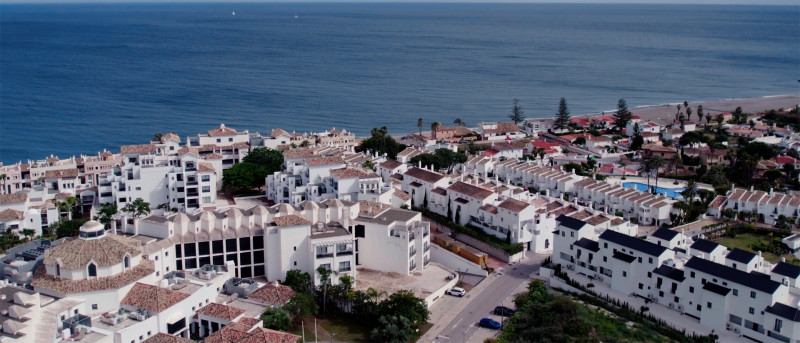
Estepona has shifted from a quiet fishing town to one of the Costa del Sol's most sought-after property markets. Its combination of traditional charm, beach access and ongoing infrastructure development attracts a diverse buyer pool, from retirees to remote workers and lifestyle investors. Understanding the forces shaping Estepona's market in 2026 gives you a material advantage when buying or selling.
This guide breaks down the key dynamics driving Estepona's property sector, the segments showing strongest performance, and the practical steps to position yourself effectively.
Understanding Estepona's 2026 Market Position
Estepona sits between Marbella and Sotogrande, benefiting from proximity to both without carrying their price premiums. The town appeals to buyers seeking Costa del Sol lifestyle at a more accessible entry point, though that gap has narrowed as investment interest has grown.
The market here is shaped by a mix of local Spanish buyers, European second-home purchasers (particularly from the UK, Scandinavia and Benelux), and an increasing share of remote professionals treating properties as primary residences with flexible location requirements. Each group responds to different triggers, creating layered demand patterns.
Infrastructure improvements, including the expanded marina and beachfront promenade projects, have enhanced the town's appeal and supported price growth. The local council's investment in public spaces and cultural programming has also strengthened Estepona's reputation as a year-round destination rather than purely seasonal.
Comparative Market Overview: Estepona vs Neighbouring Towns
Understanding Estepona's position requires context against nearby markets. The following comparison reflects typical market conditions at the time of writing:
Metric | Estepona | Marbella | Sotogrande |
|---|---|---|---|
2-bed apartment price range | €220,000-€450,000 | €350,000-€750,000+ | €400,000-€850,000 |
Annual rental yield (estimated) | 4.5-6.5% | 3.5-5% | 3-4.5% |
Málaga airport distance | 75km (approx. 50 min) | 55km (approx. 40 min) | 110km (approx. 80 min) |
Beach access | Direct town beaches, multiple Blue Flag options | Premium beach clubs, extensive coastline | Exclusive beach areas, marina focus |
Development pipeline | Steady mid-scale projects, town centre infill | High-end developments, Golden Mile expansion | Limited, focus on villa plots and marina |
These ranges reflect varying property standards, locations and conditions within each market. Estepona offers better entry pricing and rental yields while maintaining strong lifestyle appeal and reasonable airport access.
Price Trends and Property Segments
Estepona's property market shows clear segmentation by location and property type. Beachfront and sea-view apartments command the highest per-square-metre prices, followed by new-build developments in the town centre and surrounding hillside villas.
The most competitive segment remains two- and three-bedroom apartments within walking distance of amenities. These properties attract both rental investors and lifestyle buyers, creating sustained demand that supports prices even during quieter market periods.
Larger villas, particularly those requiring renovation, offer better negotiating room. Sellers in this segment often face longer marketing periods and are more open to price adjustments, especially if the property has been listed through multiple seasons without completion.
Off-plan developments continue to launch, particularly in the New Golden Mile area stretching toward Marbella. Buyers in this segment should scrutinise developer track records, completion timelines and payment structures carefully. Pre-construction pricing can offer discounts, but carries execution risk that resale properties do not.
Price growth has moderated from the sharp increases seen in 2021-2023, settling into a more sustainable pattern. Expect single-digit annual growth in well-positioned properties, with premium for scarcity in prime beachfront locations.
Demand Drivers Shaping the Market
Several structural factors continue to support demand in Estepona's property market.
Remote work flexibility remains a significant driver. Professionals based in northern Europe increasingly choose locations offering better climate and lifestyle, with Estepona's airport access (Málaga under an hour, Gibraltar 45 minutes) making it viable for hybrid work arrangements requiring occasional travel.
Retirement migration continues, though the demographic has shifted younger. Early retirees in their mid-fifties, often still economically active through consultancy or portfolio income, represent growing buyer share. They seek properties that balance lifestyle amenity with proximity to healthcare and services.
Rental yield potential attracts buy-to-let investors, particularly in the short-term holiday rental segment. Estepona's tourism season has extended as year-round appeal has grown, improving occupancy rates beyond the traditional summer peak. Buyers targeting this segment must understand local rental licensing requirements and community rules, which vary by development.
The lifestyle element cannot be discounted. Estepona's slower pace compared to Marbella, combined with authentic Spanish character in the old town, appeals to buyers seeking integration into local life rather than expatriate enclaves.
Supply Constraints and New Developments
Developable land close to Estepona's centre and coastline is limited, creating supply constraints that support prices. The town's expansion has pushed new developments into surrounding hillsides and the corridor toward San Pedro de Alcántara.
New-build supply comes primarily from small to mid-sized developments rather than large-scale projects. This creates a steady but not overwhelming flow of properties, maintaining market balance. Larger developments tend to be concentrated in specific pockets, which can lead to localised competition if multiple units hit the market simultaneously during completion phases.
Renovation opportunities exist in the old town and surrounding traditional neighbourhoods, where older properties with potential attract buyers willing to undertake refurbishment. These projects require careful due diligence on structural condition, planning permissions and realistic budget setting, as costs can escalate quickly on older Spanish properties.
A 90sqm old town apartment requiring full refurbishment might cost €180,000 purchase plus €40,000-€60,000 renovation depending on structural work and finishes, compared to €280,000 for equivalent turnkey new-build. Factor a 6-9 month timeline for complete renovation, longer if structural issues emerge or planning complications arise. Currency fluctuations and material cost changes can affect budgets, so build contingency of 15-20% into renovation estimates.
The balance between supply and demand currently favours sellers in prime segments but offers more negotiating power to buyers in secondary locations or properties requiring work.
Buyer Nationality Trends and Legal Considerations
International buyer composition has shifted noticeably in recent years. UK buyers, historically dominant, now face post-Brexit constraints including 90-day Schengen visa limits affecting renovation oversight and extended stay flexibility. Many UK purchasers now work with local project managers if undertaking significant refurbishment, given their limited physical presence.
Schengen-area buyers from France, Germany, Netherlands and Scandinavia enjoy seamless access without visa restrictions, making them increasingly prominent in renovation projects and properties requiring active management during initial setup.
Non-EU investors often establish Spanish limited liability companies (Sociedad Limitada) for tax efficiency, particularly when holding multiple properties or pursuing rental business models. Corporate ownership structures affect wealth tax exposure, inheritance planning and rental income taxation. Legal and tax advisors familiar with cross-border ownership can model comparative structures based on your nationality, intended use and investment horizon.
Golden Visa Changes and Buyer Behaviour
Spain's Golden Visa programme, which previously granted residency rights to non-EU property buyers investing above certain thresholds, has undergone changes affecting investor behaviour. While the programme continues, adjustments to qualifying criteria and property types have shifted some investment patterns.
Buyers previously motivated primarily by visa qualification now evaluate properties more carefully on investment merit alone. This has reduced speculative purchasing in some segments while supporting demand in locations with genuine rental yield or lifestyle appeal.
Estepona benefits from this shift due to its fundamentals. Properties here attract buyers who intend to use or actively rent them, rather than those seeking purely paper investments for visa purposes. This creates more sustainable demand patterns less vulnerable to programme changes.
Non-EU buyers should work with legal advisors familiar with current residency pathways, tax implications and ownership structures for foreign nationals. Rules around taxation of rental income, wealth tax and inheritance vary significantly from UK norms and require proper planning.
Practical Steps to Enter the Market
Start by defining your priorities clearly: investment return, lifestyle use, or a combination. This determines which property segments and locations align with your goals.
Spend time in Estepona across different seasons if possible. The town's character shifts between high summer and winter months. Walking neighbourhoods at different times reveals noise levels, parking challenges and how well properties integrate with daily life.
Get financing in place early. UK buyers face currency risk on euro-denominated purchases, and exchange rate movements can materially affect effective purchase price. Consider forward contracts or structured currency hedging if you're buying on a timeline.
Budget for all costs beyond the purchase price. Spanish property transactions carry taxes, notary fees, land registry costs and legal fees that typically add 10-12% to the headline price. Ongoing community fees, local property taxes and maintenance must also factor into your financial planning.
Work with lawyers independent of the seller or developer. English-speaking legal representation familiar with Spanish property law protects your interests during due diligence, contract review and completion. Skimping on legal advice to save modest fees creates disproportionate risk.
Request a professional valuation to understand pricing relative to current market conditions, whether you're buying or selling. An independent assessment provides negotiating leverage and confirms you're working with realistic expectations.
Risk Mitigation: Essential Checks Before Purchase
Protecting your investment requires systematic verification beyond surface-level property inspection:
- Verify developer solvency and completion history via Colegio de Registradores de España for off-plan purchases, checking for previous project delays or legal issues
- Budget 12-15% above purchase price for transaction costs including transfer tax, notary fees, land registry, legal representation and valuation
- Confirm annual community fees and any pending special assessments before submitting offers, as these obligations transfer to new owners
- Check current rental licensing status with Estepona town hall if pursuing holiday rental strategy, as regulations and enforcement vary by zone
- Use independent legal representation rather than developer-recommended lawyers, ensuring your advisor has no conflicting interests
- Obtain NIE (foreigner identification number) early in the process, as this tax identification is required for property purchase and takes several weeks to secure
- Request certified property registry extract (nota simple) confirming clean title, boundaries and any registered charges or liens
These steps add modest time and cost but prevent disproportionate risk from incomplete due diligence.
Timing Your Purchase: Market Calendar and Seasonal Patterns
Estepona's property market follows predictable seasonal rhythms that affect pricing negotiation and property availability.
New-build completions typically cluster in late spring (April-May) and early autumn (September-October), when developers aim to complete projects before or after the summer peak. This creates periodic increases in available inventory that can favour buyers, particularly if multiple units in the same development hit the market simultaneously.
Pricing negotiations show seasonal patterns. Pre-summer months (March-May) see motivated sellers eager to complete before the holiday season, while autumn (September-November) captures buyers who have spent summer viewing and are ready to commit. Winter months generally slow, with serious year-round residents and investors facing less competition but also reduced inventory.
Buyer behaviour shifts notably by season. Summer attracts lifestyle browsers who may take extended decision timelines, while autumn and winter buyers tend toward higher commitment levels and faster transaction progression. Sellers listing in late summer often face longer marketing periods as casual viewers outweigh serious purchasers, creating autumn negotiation opportunities for committed buyers.
Understanding these patterns helps time your market entry. Patient buyers willing to transact during slower periods often secure better pricing, while sellers benefit from listing ahead of peak viewing seasons to maximise competition.
Frequently Asked Questions
What deposit is typical for Estepona off-plan purchases?
Off-plan developments in Estepona typically require 20-30% deposit at reservation or contract signing, with staged payments tied to construction milestones. Remaining balance completes upon delivery and title registration. Payment structures vary by developer, so review the specific schedule and ensure deposits are protected through bank guarantees as required under Spanish law.
Do I need Spanish residency to buy property in Estepona?
No. Non-residents from any nationality can purchase Spanish property. You need a NIE (Número de Identidad de Extranjero), a tax identification number for foreigners, which your lawyer can help obtain. Residency affects taxation and visa access but is not a prerequisite for ownership.
How long does conveyancing typically take in Spain?
Standard property conveyancing in Spain takes 8-12 weeks from offer acceptance to completion for resale properties with clear title. Off-plan purchases follow developer construction timelines, often 12-24 months from reservation. Delays can occur with title verification, mortgage approvals or documentation issues, so build buffer into your timeline.
Are there ongoing property taxes beyond the purchase costs?
Yes. Annual obligations include IBI (council property tax), typically €400-€1,200 annually depending on property value and location, and community fees for apartments or urbanisations, ranging €80-€300+ monthly. Non-resident owners also pay annual wealth tax on Spanish assets above certain thresholds and income tax on rental income or imputed rental value for personal-use properties.
Can UK buyers still get Spanish mortgages post-Brexit?
Yes, though lending criteria have tightened. Spanish banks typically offer UK buyers mortgages up to 60-70% loan-to-value for resale properties, lower for off-plan. You'll need proof of income, clean credit history, and usually maintain a Spanish bank account. Interest rates and terms vary by lender and financial profile.
Making Your Move
Estepona's property market combines lifestyle appeal with investment fundamentals that support sustainable demand. The town has evolved beyond its fishing village origins while retaining character that differentiates it from more developed Costa del Sol neighbours.
Success in this market requires understanding the specific segments, locations and buyer profiles that drive pricing. Properties positioned for year-round use or rental, with genuine lifestyle appeal rather than pure speculation, show strongest performance and most resilient values.
Whether you're pursuing rental yield, lifestyle relocation or capital appreciation, aligning your purchase with Estepona's genuine strengths rather than chasing headline growth creates more reliable outcomes. The market rewards buyers who do proper due diligence, understand all costs and structure ownership appropriately for their circumstances.
Professional guidance through valuation, legal review and transaction management protects your interests and ensures you're working with accurate market information rather than developer marketing or outdated assumptions.