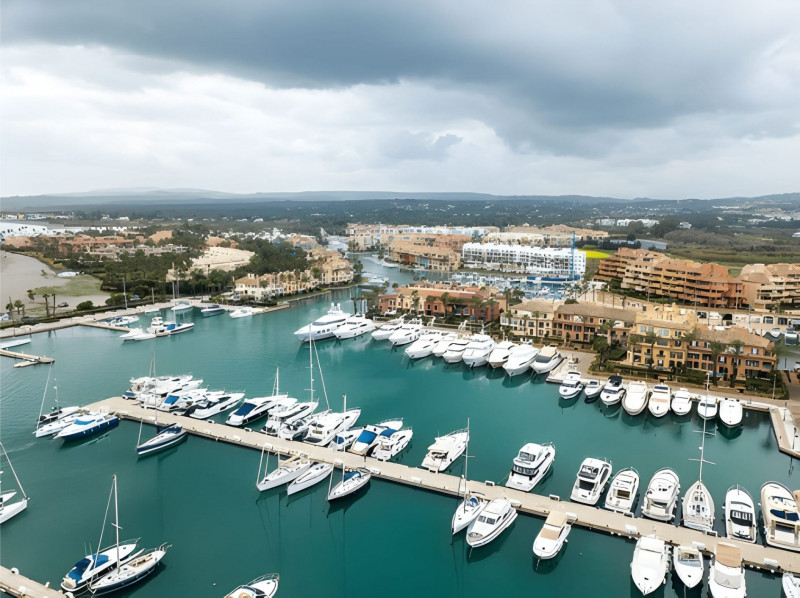
The Costa del Sol continues to attract international property buyers drawn by 320 days of annual sunshine, established infrastructure and a diverse range of coastal communities. Whether you are seeking luxury beachfront living, rental income potential or a relaxed retirement base, choosing the right coastal area shapes both your lifestyle and investment returns.
This guide examines the leading coastal zones along the Costa del Sol, comparing their buyer profiles, property price positioning and unique characteristics to help you identify the location that aligns with your goals.
Costa del Sol Coastal Areas at a Glance
Area | Average Price Range | Buyer Profile | Rental Yield Context | Distance to Málaga Airport | Best For |
|---|---|---|---|---|---|
Marbella (Golden Mile) | €4,500–€8,000/m² beachfront | Luxury seekers, international elite | Lower yield, strong capital hold | 45 min | Prestige, established luxury lifestyle |
Estepona | €2,800–€4,200/m² new-build coastal | Families, northern Europeans | Moderate, improving with tourism | 60 min | Modern amenities, Spanish character |
Mijas Costa | €2,200–€3,800/m² golf/sea view | Golf enthusiasts, value-conscious expats | Moderate to good, seasonal peaks | 30 min | Golf access, value positioning |
Nerja | €2,500–€4,500/m² town centre/sea view | Retirees, charm-seekers | Moderate, long-term tenant base | 50 min (east) | Authentic town feel, tranquillity |
Benalmádena Costa | €2,000–€3,500/m² beachfront apartments | Investors, tourism-focused buyers | Higher yield potential | 20 min | Rental income, tourism infrastructure |
Sotogrande | €5,000–€12,000/m² gated villas | Ultra-high-net-worth, polo/golf families | Very low yield, exclusivity premium | 90 min (via Gibraltar) | Privacy, ultra-premium lifestyle |
Marbella: Luxury Coastal Living and Golden Mile Prestige
What Type of Buyer Chooses Marbella?
Marbella remains the flagship destination for premium coastal property on the Costa del Sol. The Golden Mile stretch between Marbella town and Puerto Banús concentrates some of the most expensive real estate in southern Spain, with beachfront villas and gated communities commanding significant per-square-metre premiums.
The buyer profile leans international and affluent. You will find international schools, private healthcare facilities, championship golf courses and well-maintained beach clubs. Wealthy families seeking a second home, entrepreneurs establishing residency and retirees with substantial budgets all gravitate to Marbella for its established infrastructure and year-round expatriate population.
The town offers a dual appeal. The historic Old Town (Casco Antiguo) provides traditional Andalusian charm with whitewashed streets and tapas bars, while the beachfront promenade and marina developments cater to contemporary tastes. Puerto Banús brings designer retail, superyacht berths and a concentration of high-end dining that few Spanish coastal towns can match.
Buyers in Marbella typically prioritise quality over value. The year-round expatriate population creates consistent demand for both sales and long-term rentals, though property prices reflect this desirability. Rental yields are lower than in tourism-focused areas, as the market values capital preservation and lifestyle over income generation.
Expect Marbella to suit buyers seeking an established luxury lifestyle rather than those prioritising capital appreciation or high rental yields. The market here moves at its own pace, insulated to some degree from broader Spanish property cycles.
Estepona: Family-Friendly Beaches and New Development Growth
Does Estepona Offer Good Rental Yields?
Estepona has emerged as a compelling alternative for buyers priced out of Marbella or seeking a less commercialised coastal base. The town has invested heavily in its seafront promenade, creating a seven-kilometre walk lined with chiringuitos (beach bars) and play areas that appeal to families.
Rental yields can be attractive in well-located developments close to the beach, particularly for properties that capture the holiday rental market during peak summer months. The growing tourism profile, supported by improved infrastructure and town-centre regeneration, has strengthened occupancy rates. Properties offering modern specifications in gated communities see consistent demand from both long-term tenants and short-stay visitors.
New-build developments have proliferated in Estepona over recent years, many targeting the mid-luxury segment with shared pools, gyms and security. This construction activity means buyers can often secure modern specifications and energy efficiency without reaching Marbella price points.
The town centre has retained more local character than some neighbouring resorts. Weekly markets, a functioning fishing port and a lower density of international chains give Estepona a more Spanish feel, which appeals to certain buyer segments, particularly northern Europeans seeking integration rather than insulation.
Property price growth in Estepona has been steady rather than spectacular, with new-build coastal apartments typically ranging between €2,800 and €4,200 per square metre. Consider Estepona if you want coastal access, modern amenities and a community feel without stretching to Marbella budgets.
Mijas Costa: Value Positioning Between Marbella and Fuengirola
Is Mijas Costa Walkable or Car-Dependent?
Mijas Costa occupies the stretch of coastline between Fuengirola and Marbella, encompassing developments such as La Cala de Mijas, Calahonda and Riviera del Sol. This positioning gives buyers coastal access at price points typically 20 to 30 per cent below equivalent Marbella properties.
Most developments in Mijas Costa require a car for daily living. While La Cala de Mijas offers a walkable town centre with beaches, supermarkets and restaurants, many hillside urbanisations sit several kilometres from amenities. The topography, with properties scattered across golf valleys and coastal slopes, makes pedestrian access challenging outside the core La Cala area.
La Cala de Mijas forms the heart of this zone, with a small town centre, sandy beaches and a growing collection of bars and restaurants. The area attracts a mix of permanent residents and holiday-home owners, many from the UK, Scandinavia and northern Europe.
Golf courses dot the hillsides behind Mijas Costa, and many developments market themselves explicitly to golf enthusiasts. If this is your priority, the density of courses within a 15-minute drive is hard to match elsewhere on the Costa del Sol. Properties with golf-course frontage or sea views command the best rental occupancy and nightly prices.
The rental market in Mijas Costa serves both long-term tenants (often seasonal workers or retirees on modest budgets) and short-term holiday lets. Mijas Costa suits buyers who want value, recognisable amenities and a well-established expatriate infrastructure without paying for a prestigious address. The trade-off is less architectural distinction and a car-dependent lifestyle in many developments.
Nerja: Eastern Costa del Sol Charm and Expat Appeal
What Type of Property Stock Dominates in Nerja?
Nerja sits at the eastern end of the Costa del Sol, approximately 50 kilometres from Málaga airport. This distance has helped preserve a slower pace and a stronger sense of place compared to the more intensely developed western stretches.
The property market in Nerja leans heavily towards apartments and townhouses rather than large villas. Town-centre apartments, many in low-rise blocks built during the 1970s and 1980s, dominate the resale market. New development is limited by planning restrictions designed to preserve the town's character and prevent the high-rise sprawl seen elsewhere on the coast. This planning control has kept building heights low and maintained views, but it also constrains supply and can push prices higher for well-located stock.
The Balcón de Europa, a palm-lined promenade jutting into the Mediterranean, provides the town's postcard image. Small cove beaches, whitewashed architecture and a compact town centre create an atmosphere that appeals to buyers seeking charm over scale.
Nerja has a long-established expatriate community, particularly British retirees, which means English is widely spoken and services catering to international residents are mature. This can be an advantage for buyers concerned about language barriers or administrative navigation, though it also means the town feels less authentically Spanish than some alternatives.
Are There Downsides to Buying in Nerja?
Distance from major amenities and healthcare presents a consideration. While Nerja has a health centre, serious medical cases require travel to larger hospitals in Málaga or the Axarquía region. The town lacks the international schools, extensive shopping centres and business infrastructure found further west. Buyers seeking convenience and comprehensive services may find Nerja too remote.
The rental market in Nerja splits between long-term lets to permanent expat residents and holiday rentals during summer months. Seasonal tourism patterns mean rental income concentrates in July and August, with shoulder months showing weaker demand compared to year-round tourism hubs like Benalmádena. Long-term expat tenant demand remains stable, though rents reflect the town's lower cost of living compared to Marbella or Estepona.
Property prices in Nerja span a wide range. Apartments in the town centre or with sea views hold their value well, while hillside developments further from the coast offer more space and lower per-square-metre costs. Transport links are improving but remain less intensive than areas closer to Málaga. If you prioritise tranquillity and a definable town centre over proximity to major infrastructure, Nerja warrants serious consideration.
Benalmádena: Tourism Infrastructure and Rental Yield Potential
Why Do Investors Target Benalmádena?
Benalmádena straddles three distinct zones: the coastal strip (Benalmádena Costa), the traditional pueblo on the hillside, and the modern residential area (Arroyo de la Miel) in between. This structure creates varied property options within a single municipality.
The coast concentrates hotels, the Puerto Marina (one of the most awarded marinas in Europe), and a continuous promenade. Properties here capture strong holiday rental demand, particularly one and two-bedroom apartments that suit short-stay tourists. Rental yields can exceed those in more upscale areas, though capital appreciation has been less dramatic. The tourism infrastructure is deep, meaning rental demand persists outside peak season, a significant advantage for investors seeking year-round income.
Arroyo de la Miel offers better value for buyers seeking more space or a primary residence. The area has supermarkets, a train station on the coastal rail line, and schools, making it functional for year-round living. The traditional pueblo provides character and elevation, though its steep streets and distance from the beach limit its appeal for some buyers.
Benalmádena suits investors prioritising rental income or buyers willing to trade prestige for accessibility and yield. You will encounter a more transient atmosphere than in residential-focused towns, but the proximity to Málaga airport (20 minutes) and established tourism profile create reliable tenant flow.
Sotogrande: Ultra-Premium Coastal Enclave for Discerning Buyers
Sotogrande occupies the western edge of the Costa del Sol near Gibraltar. Purpose-built as a luxury resort community in the 1960s, it remains Spain's most exclusive coastal development, with polo clubs, world-class golf courses and a deep-water marina.
Property in Sotogrande skews towards large villas on substantial plots, many within gated communities offering 24-hour security, golf frontage and direct beach access. Apartments exist but are fewer in number and typically occupy premium marina or golf-course locations. Per-square-metre prices range from €5,000 to over €12,000 for the most prestigious addresses.
The buyer profile is distinct. Wealthy international families, often with ties to Gibraltar's finance sector or seasonal polo and golf enthusiasts, dominate the market. Spanish aristocracy and business elites maintain second homes here. The community is intentionally low-density and low-key, attracting those who value privacy and exclusivity over nightlife or commercial bustle.
Rental yields in Sotogrande are very low. Properties here are held for personal use and capital preservation rather than income generation. The area suits ultra-high-net-worth buyers seeking a secure, refined coastal base with world-class sporting amenities, not those prioritising returns or resale liquidity.
Practical Considerations Across All Areas
How Do Location and Infrastructure Shape Daily Living?
Málaga airport access varies significantly across the Costa del Sol. Western areas, including Benalmádena, Mijas Costa and parts of Marbella, enjoy shorter transfer times (20 to 45 minutes), making them more convenient for frequent travellers or owners visiting a holiday home intermittently. Eastern areas like Nerja require approximately 50 minutes, while Sotogrande sits 90 minutes away via the coastal route or Gibraltar.
The N-340 coast road forms the primary artery linking these communities. Traffic congestion during summer months and Friday evenings can extend journey times significantly, particularly between Fuengirola and Marbella. The AP-7 toll motorway offers a faster alternative for longer trips, though tolls add to running costs.
Availability of year-round versus seasonal services varies by area. Marbella, Estepona and larger towns maintain consistent restaurant openings, medical services and retail throughout the year. Smaller developments in Mijas Costa or hillside urbanisations may see businesses close outside peak season, requiring longer drives for everyday needs during winter months.
Community fees differ markedly. Older Mijas Costa developments often charge €50 to €100 monthly for basic pool and garden maintenance. New Marbella gated complexes with extensive facilities (gyms, spas, concierge services) can demand €300 to €600 monthly or more. These ongoing costs materially affect affordability and rental yield calculations.
Worked Example: A Buyer Decision in Practice
A retired couple from Manchester with a £350,000 budget (approximately €410,000 at 2026 exchange rates) compared a two-bedroom penthouse in Calahonda (Mijas Costa) at €3,200 per square metre against a ground-floor apartment in a new-build Estepona development at €3,600 per square metre. The Calahonda property offered slightly more space and a lower price point, with established rental history from previous owners.
After site visits, they prioritised walkability and chose Estepona despite the price premium. The promenade access, with seven kilometres of seafront walking, and town amenities within ten minutes on foot aligned with their vision of an active retirement without car dependency. The modern specification and energy efficiency of the new-build also reduced anticipated maintenance costs. The Calahonda property would have required a car for groceries and dining, a trade-off they were unwilling to accept despite the attractive golf-course views.
This decision illustrates how lifestyle priorities, not just price, drive buyer choices across the Costa del Sol's varied coastal areas.
Quick-Reference: Matching Your Priorities to Location
If maximising rental yield: Target Mijas Costa or Estepona new-builds near the beach. Benalmádena Costa one-bedroom apartments also deliver strong short-term rental performance due to proximity to Málaga airport and established tourism demand.
If prioritising resale liquidity: Marbella's Golden Mile and Puerto Banús maintain the deepest buyer pool and fastest transaction times, even during market downturns. Estepona's growing profile also supports resale, though the market is smaller.
If wanting Spanish cultural immersion: Estepona and Nerja retain more local character, with functioning fishing ports, weekly markets and lower expatriate density. You will hear more Spanish spoken daily and encounter fewer international chain businesses.
If golf-focused: Mijas Costa offers unmatched course density within a 15-minute drive. Sotogrande provides world-class golf but at a significant price premium and with a more exclusive, less accessible community feel.
If budget-conscious but seeking coastal access: Benalmádena's Arroyo de la Miel or Mijas Costa developments away from the immediate beachfront deliver space and amenities at lower per-square-metre costs than premium areas.
How We Help Buyers Navigate the Costa del Sol Market
Choosing the right coastal area requires balancing lifestyle preferences, budget constraints and investment objectives. Each zone along the Costa del Sol offers distinct trade-offs between prestige, value, rental potential and daily convenience.
If you are evaluating Costa del Sol property options and want guidance tailored to your specific circumstances, our buyer consultancy service provides on-the-ground insights, market analysis and access to off-market opportunities across all coastal areas. We work exclusively for buyers, ensuring your interests come first throughout the search and acquisition process.